Blog
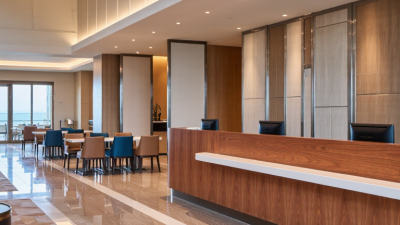
Top Hospitality Furniture Solutions for Global Buyers
Choosing the right Hospitality Furniture Solutions can shape how guests experience a hotel, resort, restaurant, or serviced apartment. A reception desk sets the first impression. A well-built lounge chair supports comfort during long conversations. In busy dining areas, tables must resist daily spills, frequent cleaning, and constant movement. Global buyers therefore need more than attractive product photographs. They need furniture that balances design, durability, safety, lead time, and total cost.
This guide explores practical options for hospitality projects across different markets and operating conditions. It considers materials such as solid wood, compact laminate, stainless steel, performance fabric, and certified leather alternatives. It also examines important details, including edge protection, stain resistance, replacement parts, packaging, and installation support. These features can affect a project long after delivery.
Small details matter.
Experienced purchasing teams usually request samples, test finishes, and confirm technical specifications before placing large orders. They also review fire-safety requirements, sustainability claims, warranty terms, and local compliance expectations. Reliable suppliers should provide clear drawings, consistent quality records, and realistic production schedules. Still, no solution is perfect. A finish that looks elegant in a showroom may show fingerprints in a busy lobby. A lightweight chair may simplify installation but reduce perceived stability. Careful evaluation remains essential.
By comparing product categories, supplier capabilities, and real operating needs, buyers can make more confident decisions. The goal is not simply to fill a space. It is to create durable, welcoming environments that support guests, staff, and long-term business performance.
Read more »
 By:Elara
- September 20, 2026
By:Elara
- September 20, 2026
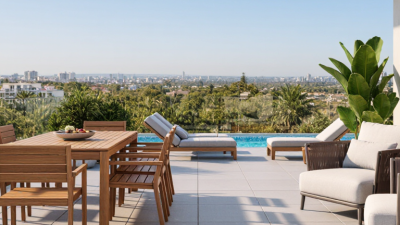
How to Choose Luxury Outdoor Furniture for Global Buyers
Choosing Luxury Outdoor Furniture for global buyers requires more than attractive photographs and a premium price tag. Outdoor pieces must perform across climates, cultures, and everyday routines. A teak dining set may suit a humid coastal villa, while powder-coated aluminum may perform better on a windy urban terrace. Details matter.
As outdoor furniture designer Richard Frinier observed, “The outdoors is the new indoors.” His statement reflects how balconies, gardens, rooftops, and poolside areas now function as living spaces. Therefore, global buyers should examine comfort, materials, craftsmanship, warranty coverage, and long-term maintenance before making a decision. A deep lounge chair may look inviting, yet its cushion filling could retain moisture during monsoon seasons. Beautiful, but unsuitable.
This guide explores how to evaluate Luxury Outdoor Furniture with practical judgment. It considers climate exposure, responsible material sourcing, construction quality, shipping requirements, and regional design preferences. Buyers should inspect welded joints, drainage systems, fabric performance, and hardware finishes. They should also request material samples whenever possible. A screen cannot reveal everything.
Experience still matters. A showroom test can expose uncomfortable angles. A close inspection can reveal uneven stitching or weak hinges. Even expert recommendations have limits, because a Mediterranean terrace differs greatly from a tropical resort. The best choice balances visual appeal with measurable performance. It should age gracefully, not simply impress on delivery day. That balance is sometimes overlooked. When buyers compare evidence carefully, Luxury Outdoor Furniture becomes a lasting investment rather than a temporary decoration.
Read more »
 By:Oliver
- September 20, 2026
By:Oliver
- September 20, 2026

10 Tips for Choosing Outdoor Architectural Systems?
Choosing Outdoor Architectural Systems is rarely a matter of appearance alone. It involves climate, maintenance, safety, energy use, installation limits, and long-term performance. A shaded terrace, glass canopy, operable louver, or exterior screen must respond to wind, rain, heat, and daily use. The right choice should also suit the building’s structure and the people who maintain it.
Architect Carl Elefante, FAIA, former president of the American Institute of Architects, is widely associated with the statement, “The greenest building is the one already standing.” This idea gives the selection process useful direction. Reusing existing structures can reduce waste, but only when the selected system works reliably with current conditions. That is not always simple.
This guide presents ten practical tips for evaluating Outdoor Architectural Systems. It considers materials, drainage, solar control, automation, access, warranties, and lifecycle costs. A powder-coated aluminum frame may look ideal in a showroom, yet coastal salt can expose weak specifications quickly. A motorized shade may improve comfort, but its controls need testing and service access. Small details matter.
Experience also teaches humility. Product brochures cannot predict every site problem. Designers, contractors, facility teams, and users may notice different risks. Their feedback deserves attention. Good decisions come from measured performance, verified documentation, and honest comparison. Not every expensive system performs better. Not every sustainable claim survives close inspection.
The following tips are designed to support clearer questions, stronger specifications, and more dependable outdoor spaces.
Read more »
 By:Ethan
- September 20, 2026
By:Ethan
- September 20, 2026