0%

Choosing Luxury Outdoor Furniture for global buyers requires more than attractive photographs and a premium price tag. Outdoor pieces must perform across climates, cultures, and everyday routines. A teak dining set may suit a humid coastal villa, while powder-coated aluminum may perform better on a windy urban terrace. Details matter.

As outdoor furniture designer Richard Frinier observed, “The outdoors is the new indoors.” His statement reflects how balconies, gardens, rooftops, and poolside areas now function as living spaces. Therefore, global buyers should examine comfort, materials, craftsmanship, warranty coverage, and long-term maintenance before making a decision. A deep lounge chair may look inviting, yet its cushion filling could retain moisture during monsoon seasons. Beautiful, but unsuitable.

This guide explores how to evaluate Luxury Outdoor Furniture with practical judgment. It considers climate exposure, responsible material sourcing, construction quality, shipping requirements, and regional design preferences. Buyers should inspect welded joints, drainage systems, fabric performance, and hardware finishes. They should also request material samples whenever possible. A screen cannot reveal everything.

Experience still matters. A showroom test can expose uncomfortable angles. A close inspection can reveal uneven stitching or weak hinges. Even expert recommendations have limits, because a Mediterranean terrace differs greatly from a tropical resort. The best choice balances visual appeal with measurable performance. It should age gracefully, not simply impress on delivery day. That balance is sometimes overlooked. When buyers compare evidence carefully, Luxury Outdoor Furniture becomes a lasting investment rather than a temporary decoration.
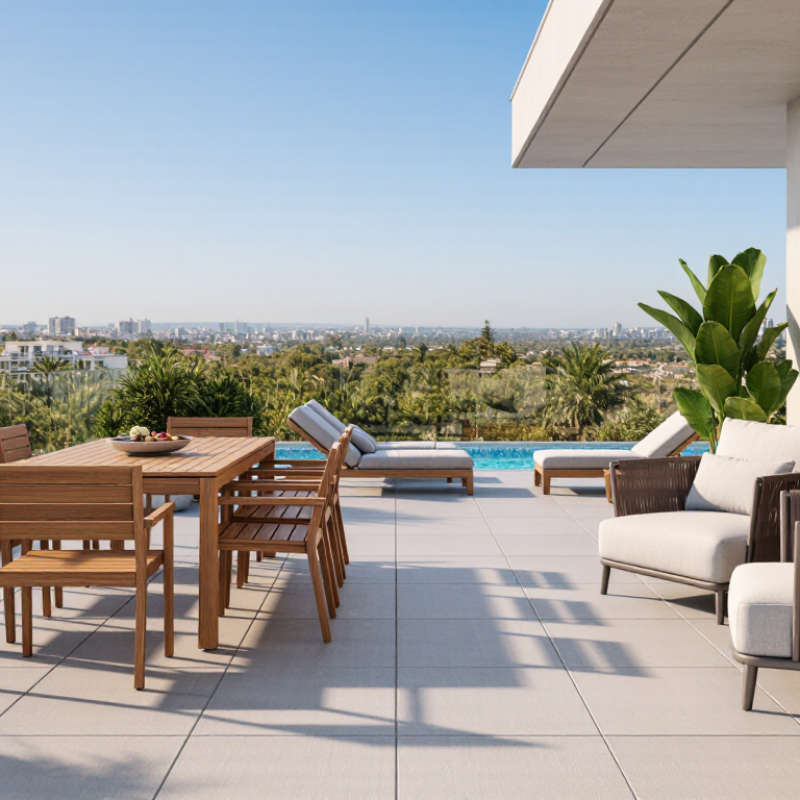
How to Choose Luxury Outdoor Furniture for Global Buyers

Define Luxury Outdoor Furniture Standards and Buyer Requirements

Luxury outdoor furniture should be defined by performance, not decoration alone. Global buyers need frames that resist corrosion, fabrics that manage ultraviolet exposure, and cushions that dry quickly after rain. Weld quality, drainage design, edge finishing, and hardware replacement matter during daily use. These details often reveal more than a polished showroom photograph.

Market data supports a growing but uneven category. Grand View Research valued the global outdoor furniture market at about USD 20.84 billion in 2023 and forecast continued growth through 2030. IMARC Group reported a different 2023 estimate, showing why buyers should compare methodologies before trusting market figures. The difference is not trivial. It reminds procurement teams to verify specifications, test reports, warranty terms, and supplier production capacity.

Buyer requirements must reflect location and use. Coastal projects may require marine-grade stainless steel, while humid regions need rapid water evacuation and mold-resistant textiles. Hospitality buyers usually prioritize replaceable parts, stacking efficiency, and documented fire performance. Residential buyers may value tactile comfort, visual consistency, and low maintenance more heavily. Ask for salt-spray testing, UV-resistance evidence, load ratings, and cleaning instructions. Also check whether the stated warranty covers commercial use. A small weakness here becomes expensive later. Luxury is not always flawless; a transparent limitation can be more reliable than an exaggerated promise.

Assess Materials, Construction Quality, and Weather Resistance

Luxury outdoor furniture should be judged by more than its appearance. Materials must match the climate where the furniture will live. Teak handles moisture well, but it still needs drainage and regular inspection. Powder-coated aluminum resists rust, although damaged coating can expose the metal beneath. Stainless steel performs well near coastal areas when its grade suits salty air.

Construction quality appears in small details. Check welded joints, frame alignment, and the firmness of every connection. Hardware should resist corrosion and remain accessible for maintenance. Cushions need quick-drying foam, breathable covers, and strong stitching. Water should leave the seat quickly, not collect inside it. A heavy frame can still be poorly made.

Weather resistance is never a single promise. UV exposure may fade fabric, while freezing temperatures can expand trapped water. Wind also tests furniture through repeated movement, not just sudden storms. During inspections, I look beneath tables and chairs, where unfinished edges often reveal weak protection. Buyers should request material specifications, care instructions, and test information from the supplier. However, documents cannot replace physical samples. I once trusted a polished finish that looked excellent indoors but showed uneven color after outdoor exposure. That mistake reinforced a simple lesson: compare samples under sunlight, inspect drainage, and question claims that sound too perfect. Expect some maintenance, even with premium construction.

Match Furniture Styles, Dimensions, and Comfort to Outdoor Spaces

Luxury outdoor furniture should begin with the space, not the catalog. Measure usable width, walking routes, door swings, and sightlines before choosing a style. A six-seat dining table needs roughly 1.2 meters of clearance for comfortable movement. A deep sofa may look generous, yet it can overwhelm a narrow terrace. Sketch the layout with masking tape first. It exposes mistakes quickly.

Style should respond to architecture and climate. Clean-lined aluminum suits contemporary buildings, while textured timber can soften stone façades. In humid regions, prioritize drainage, corrosion resistance, and quick-drying cushions.

Comfort also requires proportion: seat height near 43 centimeters, supportive back angles, and cushions that do not trap water. The Global Wellness Institute valued the wellness economy at 6.3 trillion dollars in 2023, showing why restorative outdoor spaces matter to buyers. Comfort is not decoration.

Market evidence supports careful planning. The 2024 ASLA Residential Landscape Architecture Trends Survey identified outdoor living as a continuing priority in residential design. Still, surveys cannot measure every balcony, courtyard, or rooftop. That is where professional judgment matters. International buyers should convert dimensions into centimeters, check local wind exposure, and request material specifications. One overlooked detail is table height beside lounge seating. It often feels wrong after installation. Recheck it.

Compare Suppliers, Certifications, Pricing, and Global Delivery Terms

Choosing luxury outdoor furniture for global projects requires more than attractive photographs. Compare suppliers through factory visits, verified production records, and recent export references. Ask how aluminum frames are welded, how teak is dried, and how cushions resist moisture. A polished catalog can still hide inconsistent finishing.

Certifications deserve careful checking. Request current documents for material origin, quality systems, chemical safety, and responsible forestry where relevant. Confirm the certificate holder, product scope, testing laboratory, and expiry date. Documents are not proof of every shipment. Sample testing matters. I once found a beautiful chair with excellent paperwork but uneven drainage holes, a small defect that could become expensive outdoors.

Pricing should include frame materials, fabric grades, packaging, tooling, inspection, and replacement parts. Compare the complete landed cost, not only the factory quotation. Ask whether prices use EXW, FOB, CIF, or DDP terms, and clarify duties, insurance, and destination charges. Delivery planning needs carton dimensions, pallet rules, loading photos, and a realistic production schedule. Weather-resistant packaging is essential, especially for long sea routes. Request moisture barriers and corner protection. Freight estimates can change quickly. A supplier who promises an unusually short lead time may be overlooking curing, inspection, or customs preparation. Use a written agreement with tolerances, payment stages, warranty limits, and procedures for damaged goods. Some details may feel excessive, but global projects usually expose the details people ignored.

Verify Maintenance Needs, Warranty Coverage, and Long-Term Value

Luxury outdoor furniture should be judged by upkeep, not appearance alone. Grand View Research valued the global outdoor furniture market at approximately USD 23.6 billion in 2023, with projected growth through 2030. More sales also mean more replacement waste. Ask how often cushions need cleaning, whether covers are machine washable, and how quickly finishes fade under strong sunlight. Salt air, freezing temperatures, and trapped moisture can damage different materials. Request maintenance instructions for your actual climate. Not the showroom climate.

Warranty language deserves careful inspection. Check coverage periods, fabric exclusions, corrosion limits, and whether labor or shipping is included. Some warranties protect structural frames but exclude finish discoloration, mildew, or damage from unapproved cleaners. That distinction matters. The International Casual Furnishings Association’s consumer guidance emphasizes regular cleaning and protective storage, yet real homes rarely follow perfect routines. A promise requiring indoor storage every night may be impractical. Be honest about that.

Long-term value also depends on repairability. Ask whether replacement slings, fasteners, cushions, and touch-up finishes remain available. A 2024 Ellen MacArthur Foundation report links product longevity with repair and reuse systems, not simply premium pricing. I would question any “maintenance-free” claim. Nothing outdoors is truly maintenance-free. Compare the purchase price, annual care time, local service access, and expected replacement cycle. Keep the warranty, invoices, care guide, and installation photos together. Small records can prevent expensive disputes.

How to Choose Luxury Outdoor Furniture for Global Buyers - Verify Maintenance Needs, Warranty Coverage, and Long-Term Value

Material / Construction Climate Suitability Typical Maintenance Needs Common Risk Factors Warranty Items to Verify Expected Service Life with Proper Care Long-Term Value Indicator
Grade A Teak Suitable for humid, coastal, and sunny climates; naturally resistant to moisture and decay. Clean periodically with mild soap and water. Allowing the wood to weather naturally produces a silver-gray finish; oiling is optional and requires repeat application. Surface cracking, staining, incorrect wood grade, and moisture trapped beneath cushions. Confirm coverage for structural joints, wood movement, finish defects, and damage caused by prolonged standing water. Approximately 15–25 years when well constructed and maintained. High
Strong durability and timeless appearance can support long ownership.
Powder-Coated Aluminum Well suited to most climates because it is lightweight and does not rust like ordinary steel; coastal exposure requires quality coatings. Wash with fresh water in salt-air locations and clean with a non-abrasive detergent. Inspect coating chips and touch up exposed metal according to supplier instructions. Coating failure, galvanic corrosion around unsuitable fasteners, denting, and poor weld quality. Check coverage for frame integrity, welds, powder-coat adhesion, corrosion, and color fading. Approximately 10–20 years, depending on coating quality and exposure. High
Low weight, low routine maintenance, and easy relocation improve usability.
Stainless Steel Suitable for demanding outdoor use; marine-grade stainless steel is preferable for saltwater environments. Rinse salt and pollutants regularly. Clean with a suitable stainless-steel cleaner and avoid carbon-steel brushes that can introduce surface contamination. Tea staining, pitting, crevice corrosion, and rust caused by unsuitable grades or contaminated hardware. Verify the stainless-steel grade, corrosion coverage, weld quality, hardware specification, and exclusions for chemical exposure. Approximately 15–25 years with appropriate cleaning and corrosion control. High
Excellent structural strength and resistance when the correct grade is specified.
Synthetic Wicker over Metal Frame Appropriate for covered or semi-exposed areas; UV-stabilized resin is important in hot, sunny climates. Remove dust regularly, wash with mild soap, and dry completely. Store or protect cushions during heavy rain and prolonged non-use. UV brittleness, fading, strand breakage, mildew, waterlogged cushions, and frame corrosion beneath the weave. Confirm separate coverage for weave, frame, cushion fabric, UV fading, mildew, and replacement parts. Approximately 5–12 years, depending on resin quality, UV exposure, and frame protection. Medium
Comfortable and decorative, but woven components may need earlier replacement.
High-Density Polyethylene (HDPE) Well suited to strong sunlight, humidity, and coastal conditions; quality UV stabilization remains essential. Clean with water and mild detergent. Avoid abrasive cleaners and prolonged contact with solvents or extreme heat sources. Color change from inferior UV protection, thermal expansion, scratches, and deformation near direct heat. Verify UV-stabilizer performance, color-fade limits, frame construction, hardware, and coverage for warping or cracking. Approximately 10–20 years with quality material and correct installation. High
Low maintenance and strong weather resistance can reduce ownership costs.
Powder-Coated Steel Suitable for dry or protected areas; requires more corrosion control in humid and coastal climates. Clean regularly, keep drainage openings clear, and repair coating chips promptly to reduce exposure of the underlying steel. Rust beneath damaged coating, heavier handling, water retention, and corrosion at joints or fasteners. Check anti-corrosion treatment, coating thickness, frame welds, rust exclusions, and geographic limitations in the warranty. Approximately 5–15 years, depending heavily on coating and climate. Medium
Can offer strong value when properly protected but may require more upkeep in coastal regions.
Natural Stone Tabletop Suitable for outdoor use when the stone type, sealer, and base are selected for local temperature and moisture conditions. Use pH-neutral cleaners, wipe spills promptly, and reseal porous stone at intervals recommended for the specific stone and finish. Staining, etching, freeze-thaw damage, thermal shock, chipping, and excessive weight on unsuitable frames. Verify coverage for cracks, structural support, surface finish, sealing defects, and damage from freeze-thaw cycles. Approximately 15–30 years with correct sealing and careful handling. Medium–High
Long lifespan and premium appearance, balanced against weight and maintenance requirements.
Outdoor Performance Fabric Suitable for sun and moisture when the fabric is specifically engineered for outdoor use and properly ventilated. Brush off debris, clean spills quickly, wash according to care instructions, and dry cushions fully before storage. Staining, mildew from retained moisture, seam failure, abrasion, and fading from intense UV exposure. Check colorfastness rating, seam and zipper coverage, mildew exclusions, cleaning requirements, and replacement-cushion availability. Approximately 3–8 years, depending on exposure, usage, and storage. Medium
Comfort is high, but textiles are commonly the first components requiring renewal.

Buyer checklist: Request material specifications, care instructions, test reports where relevant, warranty terms, spare-part availability, delivery packaging details, and the supplier’s exclusions for extreme weather, commercial use, improper cleaning, and normal aging. Service-life estimates vary with climate, construction quality, frequency of use, and seasonal storage.

FAQS

Which materials suit different outdoor climates?

Teak handles moisture well, but it still needs drainage and inspections. Powder-coated aluminum resists rust until its coating becomes damaged. For coastal areas, choose stainless steel with a suitable salt-air grade.

How can I judge construction quality?

Inspect welded joints, frame alignment, and every connection. The frame should feel firm, not merely heavy. Look beneath tables and chairs. Weak finishing often appears there.

What should outdoor cushions include?

Choose quick-drying foam, breathable covers, and strong stitching. Water should leave the seat quickly. Trapped moisture creates problems.

Can furniture be completely weatherproof?

No outdoor material avoids every risk. UV light may fade fabric, while freezing water can expand inside gaps. Wind causes repeated movement, even without dramatic storms.

Should I trust material documents and test information?

Request specifications, care instructions, and test information. However, documents cannot replace physical samples. Compare samples under direct sunlight. I still prefer physical inspection.

What maintenance questions should I ask before buying?

Ask how often cushions need cleaning and whether covers are machine washable. Request instructions for your actual climate, not the showroom climate. Salt air and strong sunlight may demand extra care.

Which warranty details deserve careful attention?

Check coverage periods, fabric exclusions, corrosion limits, labor, and shipping. Some warranties exclude fading, mildew, or unapproved cleaners. That matters. Read every condition.

How can I judge long-term value?

Ask whether replacement cushions, fasteners, slings, and touch-up finishes remain available. Compare the purchase price, annual care time, service access, and replacement cycle. “Maintenance-free” sounds attractive, but I would question it.

What records should I keep after installation?

Keep the warranty, invoices, care guide, and installation photos together. These records can clarify disputes later. Small files help. I may still miss something, but records reduce confusion.

Conclusion

Choosing Luxury Outdoor Furniture for global buyers begins with clearly defining quality standards, design expectations, intended use, and budget. Buyers should evaluate materials such as treated wood, corrosion-resistant metal, performance fabrics, and durable synthetic fibers, while examining construction details, joint strength, finishes, and resistance to sun, moisture, wind, and temperature changes. Furniture should also suit the outdoor space in scale, style, and function, with careful attention to seating comfort, ergonomic support, color coordination, and available storage.

A reliable purchasing decision requires comparing suppliers according to production capabilities, quality control, certifications, communication, pricing, minimum order quantities, and international delivery terms. Buyers should confirm packaging standards, shipping responsibilities, lead times, and after-sales support before placing an order. Maintenance requirements, replacement-part availability, warranty coverage, and expected service life are equally important when assessing long-term value. By balancing appearance, durability, comfort, supplier reliability, and total ownership costs, buyers can select outdoor furniture that remains attractive and functional across different climates and markets.

Oliver

Oliver

Oliver is a dedicated marketing professional with a deep understanding of the company’s products, customers, and industry landscape. With a strong background in market research, content strategy, and digital communication, he specializes in translating complex product features into clear,......