0%

Where to Buy the Best Commercial Contract Furniture in China? The answer depends on more than a low quotation. Buyers need dependable construction, clear specifications, and production teams that can repeat the same finish across a large order. Grand View Research estimated the global office furniture market at USD 59.3 billion in 2023, with projected growth through 2030. That growth matters. But market forecasts do not tell buyers whether a chair’s fabric will wear well or a table will arrive undamaged.

China offers a broad supplier base, from specialist seating factories to full-service project manufacturers. The right partner should explain materials, dimensions, upholstery options, packing methods, and production schedules in writing. Ask for samples and current test documentation relevant to the product and destination market. Check how the supplier handles quality inspections, replacement parts, and changes between approved samples and production. A polished showroom is not proof of consistent output.

This guide explores where to source Commercial Contract Furniture in China and how to compare manufacturers with practical criteria. It covers factory capabilities, customization, communication, quality control, and logistics. Details still decide. I would not pretend a catalogue tells the whole story; it cannot show how a supplier responds when a finish is inconsistent or a delivery date slips. Compare evidence, not promises, and confirm important details before placing an order.
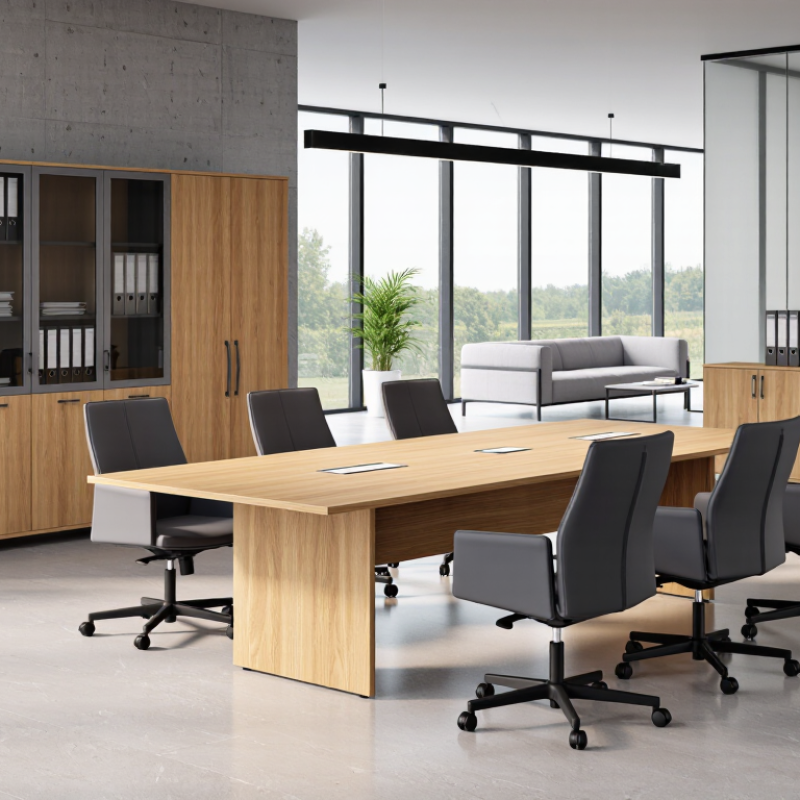
Where to Buy the Best Commercial Contract Furniture in China?

Understanding Commercial Contract Furniture and Its Requirements

Where to Buy the Best Commercial Contract Furniture in China?

Understanding Commercial Contract Furniture and Its Requirements

Commercial contract furniture is designed for shared spaces, not occasional home use. It may serve hotel lobbies, offices, restaurants, or clinics, where chairs and tables face repeated daily use. The right specification depends on who uses the space, how often it is cleaned, and how long furniture must remain in service. A dining chair, for example, needs stable joints, a wipeable seat, and a finish that resists routine scuffs. Looks matter, but they are only part of the job.

Specify the details before comparing suppliers in China. Ask for material descriptions, dimensions, upholstery options, and test documentation relevant to the project. Check a physical sample: sit on it, inspect the underside, and look closely at welds, seams, and edge finishes. Small flaws show up there. Confirm how production quality is checked, how items are protected for shipping, and whether replacement parts can be supplied. Requirements for fire performance, accessibility, and other safety matters vary by project and location, so confirm them with the project team. A polished sample is reassuring, but it cannot guarantee every production piece will match. That part deserves careful follow-up.

Key Criteria for Choosing a Furniture Supplier in China

Where to Buy the Best Commercial Contract Furniture in China?

Choosing a supplier in China means checking more than attractive catalog photos. Ask whether the factory regularly produces furniture for hotels, offices, restaurants, or other commercial spaces. Request project references and inspect finished pieces, not only showroom samples. A sturdy chair should feel stable, with even joints and no sharp edges. Details matter.

Review material specifications, drawings, finish samples, and written quality standards before placing an order. Confirm how the supplier manages sample approval, production checks, packaging, and delivery updates. Ask who handles issues such as color variation or damaged goods, and request clear answers in writing. If possible, visit the production site or arrange an independent inspection. A polished showroom is useful, but it cannot show every production step. Supplier checks are never perfect; even a careful review can miss small inconsistencies.

Tips: Compare quotes using the same dimensions, materials, and packaging requirements. Request one pre-production sample, then check it under the lighting used in your space. Keep approvals and changes documented.

China’s Main Commercial Furniture Manufacturing Regions

China’s main commercial furniture regions offer different strengths. The Pearl River Delta, especially Foshan and Guangzhou, has dense furniture markets and suppliers making office, hotel, and restaurant pieces. Buyers can compare finishes, frames, and upholstery within a relatively small area. Details matter. Guangzhou also supports trade and shipping, while nearby production centers handle much of the manufacturing.

The Yangtze River Delta, including Shanghai, Jiangsu, and Zhejiang, combines manufacturing with strong transport links. Zhejiang’s Anji area is particularly known for chair production, including office seating. Jiangsu suppliers make a broad range of furniture, while Shanghai can be useful for meetings and logistics rather than factory visits. Distances add up. Confirm where each item is actually made, since a sales office may be far from the workshop.

Shandong and other northern manufacturing areas can also suit projects seeking wood furniture or larger production capacity. The best region depends on the product mix, finish requirements, order size, and delivery schedule—not just the quoted price. Ask for material samples, dimensions, and details about inspection procedures. A showroom sample may look convincing under bright lights, yet feel different in everyday use. That is worth questioning. Arrange a factory visit or an independent inspection when feasible, and leave time to compare production samples before approving a full order.

Where to Buy the Best Commercial Contract Furniture in China? — China’s Main Commercial Furniture Manufacturing Regions
Manufacturing Region Key Cities and Clusters Common Commercial Furniture Strengths Best Fit for Buyers Sourcing Considerations
Guangdong and the Pearl River Delta Foshan, Dongguan, Guangzhou, Shenzhen Broad production base covering office, hotel, restaurant, public-space, and upholstered furniture. Foshan is also a major furniture exhibition and wholesale destination. Buyers seeking a wide choice of product types, finishes, and suppliers, or planning a mixed-category commercial project. Distinguish manufacturing locations from wholesale and exhibition markets. Confirm factory capability, project references, materials, and export packaging directly with the supplier.
Zhejiang Anji and surrounding areas; Hangzhou region Anji is a well-established chair-manufacturing cluster, particularly known for office and other seating products. The wider province also has furniture and component suppliers. Office chairs, task seating, conference chairs, and seating-focused procurement. Specify applicable seating tests, load requirements, fabric or upholstery performance, warranty terms, and replacement-part availability.
Jiangsu and the Yangtze River Delta Suzhou, Nanjing, Changzhou, and nearby industrial areas A diverse industrial region with furniture, metalworking, wood-processing, and interior-fit-out supply capabilities serving offices and other commercial environments. Projects that need coordinated furniture and components, varied material options, or access to the wider Yangtze River Delta supply chain. Supplier capabilities vary by city and product category. Verify whether production is in-house or subcontracted and approve samples before mass production.
Hebei and the Bohai Rim Xianghe and Langfang Xianghe is known for its furniture market and furniture-industry activity, with suppliers serving residential and commercial demand across multiple categories. Buyers comparing a range of furniture styles and suppliers in northern China, including for regional projects. Some market locations are primarily sales or exhibition venues rather than factories. Check the actual production address, quality-control process, and shipping arrangements.
Sichuan and Southwest China Chengdu and surrounding areas A regional base for furniture manufacturing and supply, with access to the growing Southwest China market and local fit-out services. Projects in Southwest China where regional delivery, installation coordination, or local supplier access is important. For large export orders or highly specialized products, compare production capacity, certifications, export experience, and logistics options with coastal suppliers.

Where to Find Reliable Contract Furniture Manufacturers and Showrooms

Where to Find Reliable Contract Furniture Manufacturers and Showrooms

Reliable contract furniture sourcing in China starts with a clear brief: room dimensions, user needs, target quantities, fire-performance requirements, and delivery dates. Foshan and Guangzhou are practical places to compare manufacturers and visit showrooms. Ask to see production areas, not only display rooms. Check how frames are joined, inspect fabric seams, and request written specifications for foam, finishes, warranties, and replacement parts. A polished showroom is not proof of consistent production.

The World Green Building Council’s 2014 report, Health, Wellbeing & Productivity in Offices, reviewed evidence associating improved indoor air quality with productivity gains of up to 11%. This makes material details worth checking, especially in enclosed meeting rooms. Request current material documents and confirm that the delivered product matches the approved sample. One sample is only a starting point; batch consistency still needs verification. Factory capacity, export experience, and inspection procedures matter as much as appearance.

Tips: Bring a floor plan and a short specification sheet to each visit. Compare identical criteria across suppliers, photograph product labels, and record lead times in writing. If a claim sounds vague, ask for evidence.

Where to Buy Commercial Contract Furniture in China?

A material-compliance check for sourcing wood-based furniture components

China’s GB/T 39600-2021 classifies wood-based panels and products as E1 (≤0.124), E0 (≤0.050), and ENF (≤0.025 mg/m³). Lower limits indicate stricter formaldehyde emission requirements. When evaluating contract furniture manufacturers or showrooms, ask for current test reports and confirm that the tested material matches the specification in your order.

Source: GB/T 39600-2021, Classification of Formaldehyde Emission from Wood-Based Panels and Products.

How to Verify Suppliers and Complete a Commercial Furniture Purchase

Where to Buy the Best Commercial Contract Furniture in China?
How to Verify Suppliers and Complete a Commercial Furniture Purchase

A polished showroom is only a starting point. Ask for the supplier’s registered company details, factory address, export experience, and a live production-floor tour. Then compare the factory’s equipment and staffing with your order size. Small details matter. Request test reports that match the exact product model, not a similar-looking item. Check report dates, testing laboratory, load cycles, surface durability, and emissions data against the standards required in your destination market.

Ask for a sample using the specified fabric, finish, foam, and edge treatment. Measure it, sit on it, and inspect the underside.

The U.S. Environmental Protection Agency’s 2018 Advancing Sustainable Materials Management report estimated that 12.1 million tons of furniture and furnishings entered U.S. municipal waste streams that year. That figure makes repairability and replacement parts worth discussing before purchase.

The World Green Building Council’s 2019 report attributed 11% of global energy-related emissions to building materials and construction; it is a useful prompt to request material details, without treating furniture as the whole story.

Put approved drawings, dimensions, tolerances, packaging, delivery terms, and defect remedies in the purchase agreement. Agree on production milestones, then arrange an independent pre-shipment inspection before the final payment. Keep photos of the approved sample and signed finish codes.

Even careful checks are imperfect: a sample can still differ from a full production run, so inspect the first batch closely.

FAQS

What should I check before choosing a furniture supplier in China?

Confirm the factory regularly makes furniture for hotels, offices, or restaurants. Request project references and inspect finished pieces, not just catalog photos. Details matter.

Which Chinese regions make commercial furniture?

Foshan and Guangzhou offer many furniture suppliers and nearby production centers. Zhejiang’s Anji area is known for chair production, while Jiangsu makes varied furniture. Check the actual factory address; a sales office may be elsewhere.

How can I check a supplier’s factory capabilities?

Ask for registered company details, a factory address, export experience, and a live production-floor tour. Compare the equipment and staffing with your order size. A tour helps, but it cannot show every detail.

What should I include in a furniture sample?

Request a sample with the specified fabric, finish, foam, and edge treatment. Measure it, sit on it, and inspect the underside. Check the color under lighting similar to your project space.

How do I compare supplier quotes fairly?

Compare quotes using matching dimensions, materials, and packaging requirements. Ask for clear costs and delivery details in writing. Cheap quotes can leave gaps.

What quality checks should I request?

Request test reports for the exact product model, and review the report date and testing details. Agree on production checks and arrange an independent inspection before shipment. No checklist catches everything.

What should the purchase agreement specify?

Include approved drawings, dimensions, tolerances, packaging, delivery terms, and remedies for defects. Record production milestones and keep signed finish codes and sample photos.

How can I reduce furniture waste over time?

Ask whether parts can be repaired or replaced, and request material details before ordering. These questions help, though they do not guarantee a longer service life. Worth checking.

Conclusion

Choosing the right Commercial Contract Furniture in China begins with understanding the demands of commercial environments, including durability, safety, comfort, ease of maintenance, and suitability for frequent use. Buyers should assess suppliers based on product quality, customization options, production capacity, communication, quality-control practices, and ability to meet project schedules. Clear specifications and a realistic budget help narrow the options and reduce misunderstandings.

China’s major furniture-producing regions offer different strengths, from broad manufacturing networks to specialized production and material expertise. Buyers can explore manufacturers and showrooms through industry directories, trade exhibitions, referrals, and direct factory visits. Before placing an order, verify the supplier’s business information, inspect samples or completed projects, confirm materials and finishes, and document pricing, lead times, packaging, and delivery arrangements in a written agreement. Careful checks at each stage can help ensure the furniture meets project requirements and arrives as expected.

Elara

Elara

Elara is a dedicated marketing professional who combines strategic insight, clear communication, and a deep understanding of the company’s products and services. With a strong ability to translate complex features into practical customer benefits, Elara helps audiences make informed decisions and......