0%

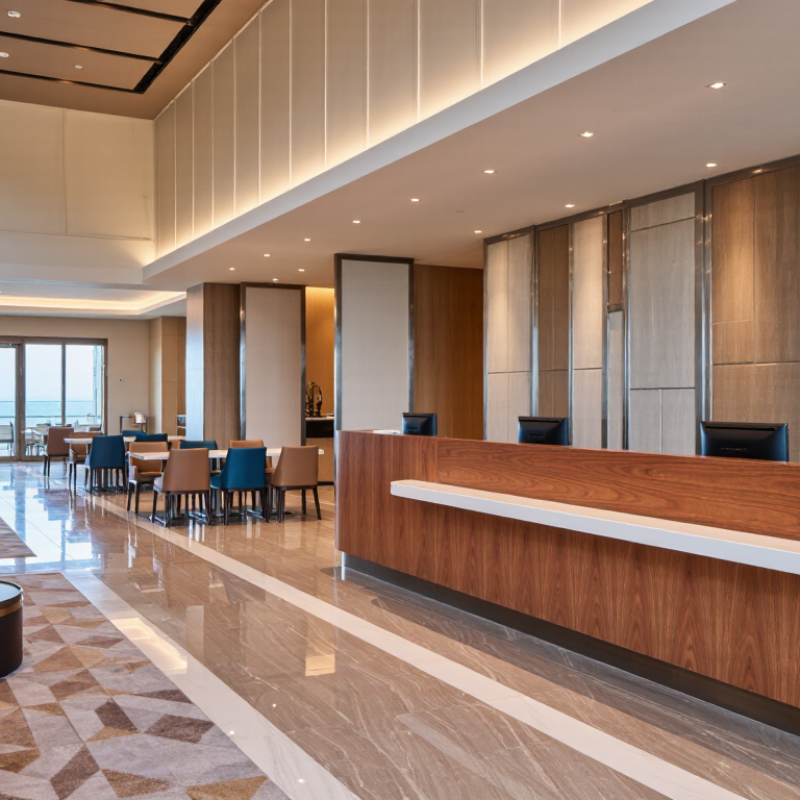
Choosing the right Hospitality Furniture Solutions can shape how guests experience a hotel, resort, restaurant, or serviced apartment. A reception desk sets the first impression. A well-built lounge chair supports comfort during long conversations. In busy dining areas, tables must resist daily spills, frequent cleaning, and constant movement. Global buyers therefore need more than attractive product photographs. They need furniture that balances design, durability, safety, lead time, and total cost.

This guide explores practical options for hospitality projects across different markets and operating conditions. It considers materials such as solid wood, compact laminate, stainless steel, performance fabric, and certified leather alternatives. It also examines important details, including edge protection, stain resistance, replacement parts, packaging, and installation support. These features can affect a project long after delivery.

Small details matter.

Experienced purchasing teams usually request samples, test finishes, and confirm technical specifications before placing large orders. They also review fire-safety requirements, sustainability claims, warranty terms, and local compliance expectations. Reliable suppliers should provide clear drawings, consistent quality records, and realistic production schedules. Still, no solution is perfect. A finish that looks elegant in a showroom may show fingerprints in a busy lobby. A lightweight chair may simplify installation but reduce perceived stability. Careful evaluation remains essential.

By comparing product categories, supplier capabilities, and real operating needs, buyers can make more confident decisions. The goal is not simply to fill a space. It is to create durable, welcoming environments that support guests, staff, and long-term business performance.
Top Hospitality Furniture Solutions for Global Buyers

Frame Global Demand: UN Tourism Recorded 1.4B Arrivals in 2024

UN Tourism recorded approximately 1.4 billion international tourist arrivals in 2024.

That figure reached 99% of 2019 levels. Demand is no longer concentrated in traditional resort markets. City hotels, airport properties, serviced apartments, and emerging destinations all need durable furniture solutions.

For global buyers, volume must be matched with operating reality. A lobby chair may face hundreds of daily uses. Guestroom tables need scratch-resistant surfaces, stable joints, and simple replacement parts.

Outdoor furniture should tolerate humidity, ultraviolet exposure, and repeated cleaning. Modular sofas can reduce installation delays when projects open in phases. Small details matter.

WTTC reported that travel and tourism contributed USD 11.1 trillion to global GDP in 2024.

This recovery increases pressure on hospitality operators to refresh spaces without disrupting revenue. Responsible sourcing also requires documented material specifications, tested fire performance, and transparent quality inspections.

Ask for samples before approving a full production run. It sounds obvious, but rushed projects often skip this step. The cheapest quotation may become expensive after repairs, shipping changes, or inconsistent finishes. That remains an uncomfortable lesson for international procurement teams.

Classify FF&E by Hotel Type, Room Function, and Guest-Capacity Data

Top Hospitality Furniture Solutions for Global Buyers

Global buyers should classify FF&E before comparing prices. Hotel type changes durability, styling, and replacement cycles. A limited-service property may prioritize stackable chairs, compact wardrobes, and easy-clean laminates. A luxury hotel needs heavier casegoods, layered lighting, and stronger acoustic control. STR’s 2023 global performance data recorded approximately 63% hotel occupancy, showing why frequent-use furniture must withstand continuous turnover.

Room function provides a sharper purchasing framework. Bedrooms need bed platforms, nightstands, luggage benches, desks, and blackout solutions. Lobbies require flexible seating for short stays, meetings, and waiting periods. Restaurants need tables sized for service paths, while guest bathrooms require moisture-resistant storage. AHLA’s 2024 State of the Hotel Industry report estimated 5.6 million hotel rooms in the United States, making standardization valuable, but not universal.

Capacity data should guide quantities and dimensions. A 120-room hotel with 80% occupancy may need 96 sleeping units in daily operation, plus spare pieces for maintenance. A 150-seat restaurant needs different table mixes than a 40-seat lounge. UN Tourism reported 1.3 billion international tourist arrivals in 2023, increasing pressure on adaptable spaces. The model is not perfect. Events, accessibility needs, and local guest habits can disrupt forecasts. Buyers should test furniture layouts with actual circulation distances, housekeeping carts, and peak breakfast demand before final approval.

Top Hospitality Furniture Solutions for Global Buyers - Classify FF&E by Hotel Type, Room Function, and Guest-Capacity Data

Indicative FF&E planning matrix for international hotel projects
Hotel Type Room / Area Function Typical Guest Capacity Core FF&E Requirements Recommended Furniture Configuration Planning Data / Buyer Notes
Economy / Budget Hotel Standard Guestroom 1–2 guests
Typical room size: 16–22 m²
Platform bed, compact writing shelf, open wardrobe, luggage bench, bedside shelf, task chair, blackout and sheer window treatments. One double bed or two single beds; wall-mounted or narrow-depth work surface; open storage to reduce millwork cost. Prioritize durability, fast installation, cleanability, replaceable components, and high-density packaging.
Economy / Budget Hotel Breakfast Room 40–100 seats
Depending on room count and breakfast cycle
Two- and four-seat dining tables, stackable chairs, buffet counter, highchairs, waste-sorting stations, service shelving. Flexible two-top tables that can be joined into four- or six-seat layouts; aisle allowance generally 1.0–1.2 m. Use commercial-grade surfaces that tolerate frequent cleaning and rapid table turnover.
Midscale Hotel Standard Guestroom 1–2 guests
Typical room size: 20–28 m²
Upholstered bed, headboard, desk, ergonomic chair, lounge chair, side table, wardrobe, minibar cabinet, luggage rack. Queen or king bed; 1.2–1.6 m desk; separate luggage surface; one compact lounge seat where floor area permits. Balance guest comfort with room efficiency; select standardized modules for easier replacement across properties.
Midscale Hotel Guestroom Bathroom 1–2 users at one time
Typical bathroom size: 4–7 m²
Vanity, mirror, under-sink storage, towel rails, shower accessories, wall shelving, moisture-resistant seating where required. Compact vanity with durable solid-surface or moisture-resistant top; open lower clearance where accessibility standards require it. Confirm local plumbing, electrical, slip-resistance, ventilation, and accessibility requirements before production.
Upscale Hotel Premium Guestroom 1–2 guests
Typical room size: 28–40 m²
King bed, upholstered headboard, full-length desk, lounge chair, ottoman, coffee table, minibar cabinet, wardrobe, bedside tables. Dedicated sleeping, working, and relaxing zones; maintain clear circulation around the bed and between entry, bathroom, and window. Specify stain-resistant upholstery, concealed cable management, soft-close hardware, and coordinated loose and fixed furniture.
Upscale Hotel Lobby Lounge 30–80 seats
Varied dwell time and group sizes
Sofas, lounge chairs, occasional tables, communal worktables, reception counter, planters, lighting-support tables. Mix low lounge seating with upright work seating; provide small tables within convenient reach of most seats. Plan for luggage movement, power access, flexible reconfiguration, and clear sightlines to reception.
Luxury Hotel Suite Living Area 2–4 guests
Typical suite size: 50–100+ m²
Sofa, lounge chairs, nesting tables, dining table, dining chairs, writing desk, console, media cabinet, minibar and pantry storage. Separate conversation, dining, and work zones; use movable pieces to support in-room dining and guest entertaining. Higher specification requires coordinated veneers, stone or solid surfaces, premium hardware, and rigorous finish approval.
Luxury Hotel Fine-Dining Restaurant 60–140 covers
Based on restaurant footprint and service model
Dining tables, upholstered dining chairs, banquettes, host stand, service consoles, bar stools, sideboards and back-of-house shelving. Combine two-top, four-top, banquette, and private dining layouts; maintain service aisles of approximately 1.0–1.2 m where feasible. Select fabrics and finishes for stain resistance, acoustic comfort, fire performance, and repeated commercial cleaning.
Resort Hotel Family Guestroom 2 adults + 1–2 children
Typical room size: 30–45 m²
King or twin beds, sofa bed or bunk solution, child-safe storage, luggage bench, dining/work surface, extra seating. Flexible sleeping arrangement; rounded edges where appropriate; storage positioned for both adults and children. Use robust, easy-clean upholstery and finishes; verify sofa-bed mechanism durability and mattress requirements.
Resort Hotel Poolside / Outdoor Area 50–200 users
Varies by pool deck and operating model
Sun loungers, side tables, outdoor sofas, dining tables, dining chairs, umbrellas, service carts and towel stations. Provide approximately one side table per two loungers; use stackable or wheeled furniture for daily weather management. Specify UV-resistant, corrosion-resistant, quick-dry, mold-resistant materials and non-slip feet for wet areas.
Extended-Stay Hotel Studio / Apartment Unit 1–3 guests
Typical unit size: 28–45 m²
Bed, sofa or lounge chair, dining table, chairs, work desk, wardrobe, kitchen cabinets, compact appliances and storage. Use multifunctional furniture, integrated storage, foldable or nesting dining pieces, and clear separation between sleeping and cooking zones. Focus on residential comfort, long-stay durability, repairable hardware, and consistent replacement parts.
Business Hotel Meeting Room 10–40 delegates
Classroom, boardroom, or U-shape setup
Folding or nesting tables, stackable chairs, lectern, credenza, mobile whiteboard, coat rack and technology-support furniture. Allow rapid conversion between boardroom, classroom, theatre, and U-shaped layouts; provide lockable casters on mobile items. Coordinate furniture with power, data, audiovisual sightlines, egress routes, and local accessibility rules.
Airport / Transit Hotel Short-Stay Guestroom 1–2 guests
Typical room size: 18–26 m²
Queen or twin beds, compact desk, luggage bench, open wardrobe, bedside charging, blackout treatments and acoustic-support elements. Keep circulation direct and luggage-friendly; position charging, lighting controls, and work surfaces within easy reach. Emphasize acoustic performance, impact resistance, easy housekeeping access, and fast room-turnover maintenance.

Data note: Capacity and room-size figures are indicative planning ranges commonly used during early-stage hotel programming. Final FF&E quantities, clearances, accessibility provisions, fire performance, and egress requirements must be verified against the project brief and applicable local regulations.

Benchmark Hotel Use: STR Reported 66.8% Global Occupancy in 2024

STR reported 66.8% global hotel occupancy in 2024, a useful benchmark for international furniture buyers. That figure signals sustained room usage, but it does not describe every country, season, or property class. For procurement teams, the practical question is simple: can furniture remain attractive after constant guest contact? Durability matters.

High-traffic hotels need contract-grade beds, tables, lounge seating, and case goods with reinforced joints. Choose stain-resistant upholstery, replaceable components, and finishes that tolerate frequent cleaning. Bedside units should hide cables safely and offer accessible charging. Guestroom chairs need stable frames, rounded edges, and fabrics tested for abrasion. Public areas deserve modular seating, because layouts often change between breakfast, meetings, and evening service. Small details matter.

Global buyers should request test reports, material samples, fire-safety documentation, and clear warranty terms before approving volume orders. Confirm dimensions in millimeters, packaging protection, spare-part availability, and installation instructions. Local climate also affects choices; humid destinations may expose weak boards, metal, or adhesives. Procurement reviews often reveal attractive specifications failing when replacement parts were overlooked. That lesson is uncomfortable, yet useful. Price remains important, but lifecycle cost gives a more honest comparison. A cheaper chair is not cheaper after repeated repairs. Occupancy data should guide capacity planning, not encourage careless purchasing.

Verify Materials: FSC-Certified Forests Exceeded 160M Hectares in 2024

Top Hospitality Furniture Solutions for Global Buyers

FSC-certified forests exceeded 160 million hectares in 2024, showing stronger demand for verified wood sourcing. For hospitality buyers, this figure matters beyond sustainability reports. A hotel lobby may contain dozens of timber tables, chairs, and reception panels. Each piece should have traceable material documentation. Ask for the certificate number, product scope, and chain-of-custody evidence. Ask for evidence.

Material checks should happen before production, not after delivery. Compare the certificate details with invoices, packing lists, and sample labels. Confirm that the certified claim covers the actual furniture components, not only the supplier’s general operations. A veneer surface may be certified while hidden parts use different materials. This detail is easy to miss. It can affect procurement credibility.

Durability also deserves equal attention. Test joinery, edge protection, moisture resistance, and surface repair methods against the property’s daily traffic. Request finish specifications and maintenance instructions in clear English. Sustainable sourcing does not automatically guarantee long service life. A poorly designed chair may require early replacement, creating more waste. Buyers should also review delivery packaging and timber legality records where required by local regulations. Some documentation may arrive incomplete, so allow time for clarification. Better verification is not flawless, but it is more reliable than trusting a sustainability claim alone.

Choose Suppliers with KPIs for MOQ, Lead Time, Compliance, and Cost

Top Hospitality Furniture Solutions for Global Buyers

Global hospitality projects need more than attractive furniture. They need suppliers measured by clear, comparable KPIs. In my sourcing experience, MOQ often shapes the entire purchasing plan. A 500-unit minimum may suit a resort, but it can burden a boutique hotel with limited storage. Ask for MOQ by product, finish, and customization level. Request production samples before approving a large order.

Lead time should include drawing approval, material preparation, production, inspection, and shipping. A supplier promising 30 days may exclude port delays or rework. Use milestone dates instead. Require written updates when progress changes. It feels slower, but it exposes risks earlier. I have accepted optimistic schedules before, and the installation team paid for that mistake.

Compliance must be documented, not merely promised. Check material declarations, structural test reports, fire-performance records, and packaging standards relevant to the destination market. Keep revision-controlled documents for every model. Cost analysis should include tooling, samples, freight, duties, replacement parts, and installation labor. The cheapest quotation is not always the lowest project cost. Ask suppliers to provide a landed-cost breakdown and warranty response times. Inspect key items before shipment, especially table joints, upholstery seams, drawer runners, and surface finishing. Small defects multiply across hundreds of rooms. A practical scorecard can assign weighted points to MOQ, lead time, compliance, quality, and total cost, while leaving space for human judgment. Numbers help. They do not replace inspection.

FAQS

How strong was international tourism demand in 2024?

International arrivals reached about 1.4 billion, nearly matching 2019 levels. Demand now extends beyond traditional resort locations. City hotels, airport properties, and serviced apartments also need durable furniture.

What should buyers check before approving hospitality furniture?

Request physical samples before full production. Inspect finishes, joints, dimensions, and surface durability. Test before approval. Rushed decisions can create expensive repairs later.

Which furniture features support heavy hotel use?

Lobby chairs need strong frames for hundreds of daily uses. Guestroom tables need scratch-resistant surfaces and stable joints. Simple replacement parts can reduce maintenance delays.

What should outdoor furniture withstand?

Outdoor pieces should tolerate humidity, ultraviolet exposure, and repeated cleaning. Ask about protective coatings and repair methods. Real weather is less forgiving than a showroom.

How can modular furniture help phased hotel projects?

Modular sofas can simplify installation across different opening stages. They may reduce delays and site disruption. However, connection details must be checked carefully.

What documents support responsible material sourcing?

Ask for material specifications, certificate numbers, product scope, and chain-of-custody evidence. Compare them with invoices, packing lists, and sample labels. Missing paperwork needs clarification.

Does certified wood automatically guarantee durable furniture?

No. Certification supports traceability, not long service life. Test joinery, edge protection, moisture resistance, and surface repairs. A certified chair can still be poorly designed.

Why should buyers compare hidden furniture components?

A visible veneer may have verified sourcing, while hidden parts use different materials. Confirm the claim covers the actual components. This detail is easy to miss.

What quality checks matter before international shipment?

Review finish consistency, packaging, timber legality records, and maintenance instructions. Check whether the delivered items match approved samples. Shipping changes can expose weak planning.

Is the lowest quotation usually the best choice?

Not always. Lower prices may hide inconsistent finishes, replacement costs, or shipping changes. We may still misjudge a quotation. A wider cost review is safer.

Conclusion

Hospitality Furniture Solutions are essential for global hotel buyers seeking to balance design, durability, compliance, and cost. With UN Tourism recording 1.4 billion international arrivals in 2024, demand for well-planned guest environments continues to grow. Buyers should classify FF&E according to hotel type, room function, expected traffic, and guest-capacity data, ensuring that furniture supports both operational efficiency and visitor comfort. Comparing these needs with market performance, including the 66.8% global hotel occupancy reported by STR for 2024, can help purchasers estimate usage intensity and replacement cycles.

Material verification is equally important. Selecting responsibly sourced wood and certified materials supports environmental objectives, especially as FSC-certified forests exceeded 160 million hectares in 2024. A reliable supplier evaluation should include measurable KPIs covering minimum order quantity, lead time, product quality, regulatory compliance, customization capability, and total cost. By combining demand analysis, practical specifications, responsible sourcing, and transparent supplier benchmarks, hotel operators can create attractive, resilient, and financially sustainable spaces for diverse international markets.

Elara

Elara

Elara is a dedicated marketing professional who combines strategic insight, clear communication, and a deep understanding of the company’s products and services. With a strong ability to translate complex features into practical customer benefits, Elara helps audiences make informed decisions and......