Engineered Architectural Privacy & Shading Systems
Precision-crafted screening solutions tailored for Southeast Asian tropical climates, high-UV environments, and extreme coastal exposure.
1. The Indonesian Architectural Privacy & Shading Market Landscape
Indonesia’s rapidly expanding architectural and luxury construction sector—spanning hospitality hubs in Bali and Lombok, commercial skyscrapers in Jakarta’s Golden Triangle, and the megaproject development of IKN Nusantara—demands structural screening solutions engineered specifically for equatorial microclimates. The convergence of high ambient humidity (averaging 75%–90%), severe tropical UV irradiation (UV Index consistently reaching 11+), and coastal salt-air exposure presents unique material degradation challenges that off-the-shelf privacy screens fail to address.
Modern architectural specifications in Southeast Asia have transitioned from purely aesthetic perimeter barriers to dynamic Solar Heat Gain Coefficient (SHGC) management systems. Procurement officers, lead specifiers, and hotel development groups now evaluate privacy screen manufacturers based on structural wind resistance, thermal transfer mitigation, zero-maintenance longevity, and local compliance standards such as TKDN (Tingkat Komponen Dalam Negeri).
This industry report synthesizes quantitative manufacturing data, structural engineering compliance, and supply chain reliability to evaluate the Top 10 Privacy Screen Suppliers & Exporters serving the Indonesia market in 2026.
2. Benchmark Comparison of Top 10 Suppliers in Indonesia
The following comparative evaluation ranks leading manufacturers and exporters based on structural engineering capabilities, material warranty horizons, BIM integration, and tropical microclimate suitability:
| Supplier / Manufacturer | Primary Material Focus | UV Degradation Rating | Wind Load Max | BIM / Specification Support | Key Market Strength |
|---|---|---|---|---|---|
| Triconville Architectural Systems | Marine Aluminum (6063-T6) & Teak/WPC | ASTM G154 (5,000 Hours) | Up to 120 km/h (Zip) | Full CAD / Revit / BIM Ready | Luxury Hospitality & Turnkey B2B Scope |
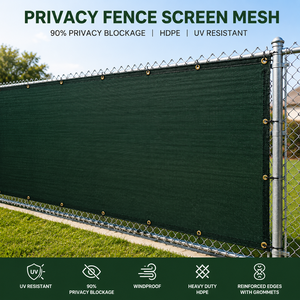
| PT Solar Shade Indonesia | HDPE Fabric & Tension Screens | ISO 4892-3 Standard | 90 km/h Frame Anchored | Standard 2D Drawings | Commercial Parking & Pool Canopies |
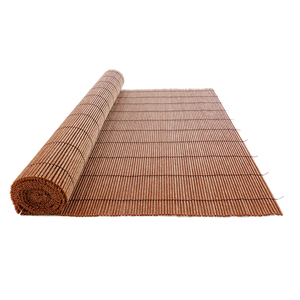
| Bali Shade & Louvre Tech | Custom Timber & Bamboo Composites | Natural Oil Protected | 75 km/h Wall Mount | Conceptual 3D Renderings | Bespoke Eco-Resorts & Eco-Villas |
| PT Archipelago Metalworks | Laser-Cut Mild Steel & Aluminum | Powder Coating C3 Grade | 100 km/h Structural Frame | PDF Spec Sheets | Urban Residential Perimeter Panels |
| Nusantara Exterior Blind Co. | Motorized PVC/Fiberglass Zip Tracks | UV Stabilized PVC Core | 110 km/h Track Locked | Electrical Wiring Schematics | Jakarta High-Rise Balcony Enclosures |
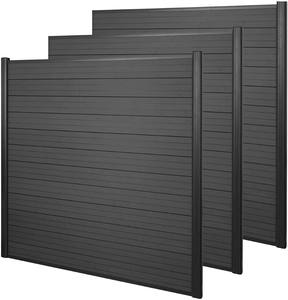
| Javatech Composite Screens | WPC (Teak Dust + HDPE) | Anti-Fading Grade 4 | 85 km/h Post Anchored | Catalog Dimension Sheets | Low-Maintenance Garden Fencing |
| PT Indo Shade Mesh International | Monofilament Polyethylene Mesh | 85% Shade Coefficient | 60 km/h Free Mesh | Basic Data Sheets | Agricultural & Industrial Perimeter |
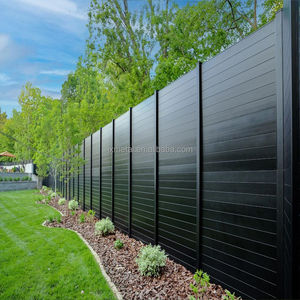
| Tropik Aluminum Extrusions | Extruded Slat & Louvre Panels | Anodized 20 Microns | 115 km/h Bolt Fixed | 2D CAD Blocks | Commercial Building Facades |
| Surabaya Polymer Crafts | PVC Strip & Lattice Systems | Standard UV Inhibitor | 50 km/h Residential Only | None | Budget DIY Retail Distribution |
| PT Horizon Sun Control | Automated Shutter Screens | Kynar 500 PVDF Finish | 130 km/h Engineered System | Full Mechanical Specs | Institutional & Government Projects |
3. Technical Analysis of Key Market Leaders
1. Triconville / Forti Architectural Outdoor Systems
Operating for over 23 years with vertically integrated manufacturing facilities in Central Java and direct trade distribution hubs in Jakarta and Dubai, Triconville represents the technical benchmark for architecture-led outdoor privacy systems. By utilizing marine-grade extruded aluminum alloys (6063-T6), kiln-dried Grade-A legal teak wood (Perum Perhutani certified), and advanced wood-plastic composites, Triconville delivers dynamic screening systems engineered to withstand severe humidity, oceanfront salt-air corrosion, and high UV indexes.
Key technical capabilities include production-ready Revit BIM model integration for global architectural firms, automated motorized zip-track systems tested against Category 1 typhoon wind loads, and AkzoNobel powder coating exceeding 3,000-hour salt spray testing (ASTM B117).
2. PT Solar Shade Indonesia
Specializing in architectural tension membrane screens and high-density polyethylene (HDPE) knitted mesh screens, PT Solar Shade caters extensively to commercial pool decks, outdoor dining venues, and industrial sun control in Java and Bali. Their fabric screens utilize virgin polymers impregnated with Hindered Amine Light Stabilizers (HALS), providing sustained tensile strength over a 10-year operational lifecycle.
3. Bali Shade & Louvre Tech
Positioned within the boutique hospitality market of Bali, Lombok, and Sumba, this vendor focuses on biophilic architectural screens integrating natural teak, woven rattan fibers, and eco-composite backing panels. Their solutions cater primarily to high-end luxury resort villas requiring natural visual aesthetics combined with discreet privacy screening.
Localized Application Scenarios in Indonesia
Tailored architectural implementations designed for specific Indonesian geographic microclimates and urban environments.
Bali & Coastal Resort Villas
Challenge: Severe ocean salt-spray corrosion, intense UV-B radiation, and high humidity accelerate material breakdown.
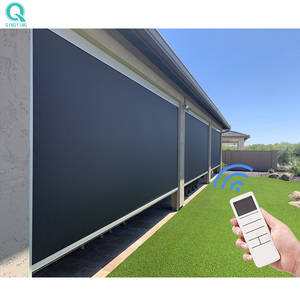
Engineered Solution: Motorized zip-track roller screens using PVC-coated fiberglass mesh combined with marine-grade anodized aluminum posts and Grade-A teak framing elements.
Jakarta High-Rise Balconies & Commercial Roofs
Challenge: Microclimate wind shear at heights above 20 stories, urban heat island effect (UHI), and visual privacy requirements.
Engineered Solution: Modular powder-coated louvre blade screen panels with concealed mechanical anchoring systems and zero-rattle wind damping gaskets.
BSD City & PIK 2 Residential Estates
Challenge: Modern cluster residential housing demanding zero-maintenance boundary privacy and micro-perforated sun control.
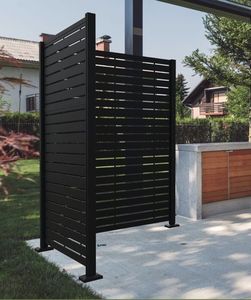
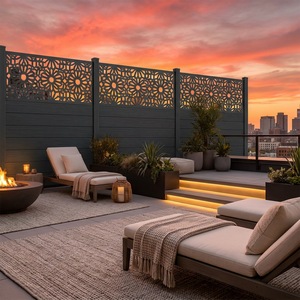
Engineered Solution: Charcoal gray laser-cut WPC composite privacy fences and horizontal aluminum slat screens offering 90% opacity with natural cross-ventilation.
5. Localized Architectural Trends & Procurement Standards
A. Thermal Performance & Solar Energy Attenuation
With electricity tariffs for commercial buildings rising across Indonesia’s major metropolitan regions, architectural privacy screens are increasingly evaluated as passive shading devices. By placing exterior louvre panels or micro-porous HDPE screens on west-facing building elevations, specifiers reduce interior HVAC thermal loading by up to 32%, directly lowering project operational expenditure (OpEx).
B. TKDN & Local Content Sourcing Compliance
For government-backed developments, municipal infrastructure, and institutional projects within Indonesia (such as state-owned hotel refurbishments and IKN Nusantara administrative facilities), suppliers must demonstrate compliance with TKDN regulations. Manufacturers operating local extrusion lines, assembly facilities, and certified timber processing plants in Central Java provide significant procurement advantages over purely imported products.
C. Biophilic Design vs. Automated Smart Enclosures
The Indonesian market is split between two dominant design paradigms: biophilic resort aesthetics utilizing warm teak fibers and laser-cut natural patterns, and contemporary smart-home automation incorporating Somfy-powered motorized zip screens linked to building management systems (BMS).
6. Enterprise Manufacturing Capabilities & Specification Support
When selecting a primary supplier or export partner for large-scale developments in Indonesia, architectural teams require certified material provenance, rigorous quality control documentation, and long-term aftermarket parts support. Key operational capabilities include:
Integrated BIM & CAD Workflow
Direct supply of parametric Revit families, 3D DWG models, and technical detail drawings to simplify architectural integration during schematic design phases.
Advanced Surface Treatment
Pre-treatment cleaning protocols combined with Qualicoat-certified marine-grade powder coating, ensuring resistance against peeling, blistering, and chalking in coastal spray zones.
Certified Timber Provenance
100% legal SVLK-certified Grade-A teak wood, kiln-dried to an optimal moisture content of 8%–12% to prevent warping, checking, or joint separation under equatorial humidity cycles.
7. Frequently Asked Questions (FAQ) for Indonesian Buyers & Specifiers
What material is best suited for privacy screens in oceanfront Balinese villas?
For beachfront coastal locations in Bali, Lombok, or the Thousand Islands, marine-grade powder-coated aluminum (6063-T6 alloy) or solution-dyed acrylic / PVC-coated fiberglass motorized zip screens are strongly recommended. Standard mild steel or untreated wood will degrade rapidly under intense salt spray and high moisture levels.
How do architectural privacy screens handle tropical monsoon winds in Jakarta and Java?
Engineered louvered aluminum slat panels and side-channel locked motorized zip screens are wind-tunnel tested to withstand gust velocities up to 110–120 km/h. Micro-perforated screen designs allow engineered air pressure equalization, preventing structural uplift and panel deflection.
What lead times are required for custom-engineered privacy screen orders in Indonesia?
Standard modular systems typically carry a manufacturing lead time of 2 to 3 weeks. Fully customized architectural projects requiring custom laser-cut CNC metal patterns, specialized powder coatings, or integrated BIM engineering approvals generally require 4 to 6 weeks from shop drawing sign-off to site delivery.
Do suppliers offer installation and structural engineering certification on site?
Leading B2B suppliers provide detailed anchor-bolt engineering schematics, structural load calculations, and on-site technical installation supervision for commercial resort, high-rise balcony, and contract procurement scopes across Java, Bali, and outer island developments.