Featured Commercial & Residential System Catalog
Discover high-performance outdoor architectural furniture, motorized bioclimatic louvers, and structural modular seating systems built to withstand Tokyo's rigorous coastal wind loads, high urban humidity, and seismic micro-movements.
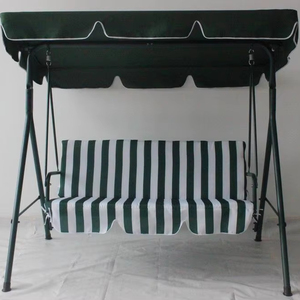
High Quality 3-Person Outdoor Metal Swing Chair with Steel Tube Modern Design
Engineered heavy-duty steel frame with rust-resistant zinc coating, designed for commercial rooftop gardens and private courtyard installations in Tokyo.
Get Catalog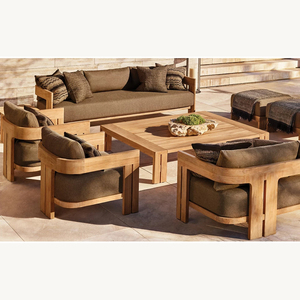
Luxury Teak Wood Outdoor Patio Furniture Frame Sectional Sofa Set
Sustainably harvested Myanmar Grade-A teak frame with quick-dry foam and solution-dyed acrylic textiles tailored for Tokyo luxury terraces.
Get Catalog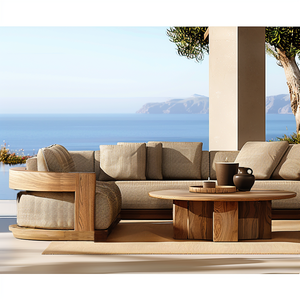
Outdoor Teak Sofa Set Garden Furniture Sets Patio Lounger Sunbed
Precision tongue-and-groove joinery crafted from Myanmar teak. Highly resistant to temperature shifts and high urban UV exposure.
Get Catalog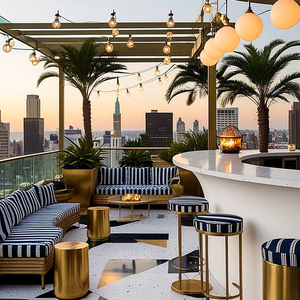
Luxury Hotel Restaurant Outdoor Rope Woven Chair & Wood Table Set
High-tensile polyolefin weather-rope webbing over solid wood frames. Engineered for heavy turnover in commercial Tokyo dining spaces.
Get Catalog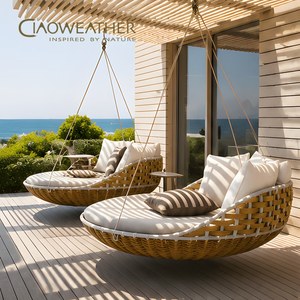
Modern Outdoor Garden Patio Lounge Sun Bed Aluminum Rattan Swing
Architectural-grade powder-coated aluminum structure integrated with UV-stabilized synthetic wicker for long-term exterior durability.
Get Catalog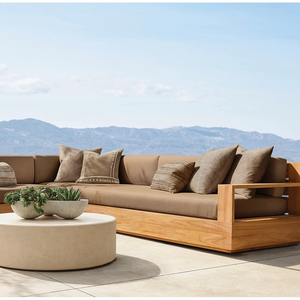
Wholesale Garden Modular Sofas Teak Outdoor Furniture System
Contract-spec teak outdoor seating system designed for multi-family developments, hotel lounges, and commercial landscape projects.
Get Catalog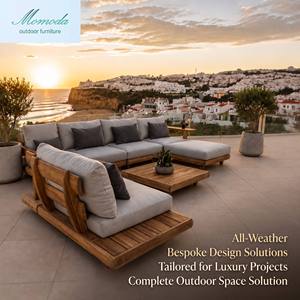
Designer Choice Solid Wood Frame Modular Sectional Luxury Sofa
Grey outdoor padded seating with internal water-draining reticulated foam, engineered for low-maintenance urban rooftop environments.
Get Catalog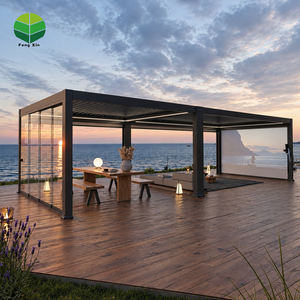
Waterproof Motorized Bioclimatic Pergola Adjustable Aluminum Louvered Roof
Structural motorized aluminum pergola system featuring integrated rainwater management and structural wind ratings up to 150 km/h.
Get CatalogExecutive Overview: The Shifting Landscape of Tokyo's Outdoor Architectural Market
The Greater Tokyo Metropolitan Area represents one of the most sophisticated and demanding markets for outdoor architectural systems in the Asia-Pacific region. As urban densification expands across districts such as Minato-ku, Shibuya, Ginza, and Roppongi, commercial real estate developers and residential architects are increasingly turning outdoor square footage—rooftops, sky terraces, open-air restaurant decks, and courtyard gardens—into high-value living assets.
However, specifying outdoor architectural systems and contract furniture in Tokyo involves navigating complex micro-environmental conditions. Tokyo experiences extreme seasonal shifts: severe summer heat-island effects, intense monsoon rainfalls, typhoons carrying high-velocity wind loads (up to 60 meters per second), and corrosive salt-air exposure along Tokyo Bay. Furthermore, structural installations must strictly comply with the Building Standard Law of Japan (Kenchikukijun-hō) and seismic safety regulations enforced by municipal authorities.
This industry report evaluates the Top 10 Outdoor Architectural Systems Manufacturers & Exporters supplying the Tokyo market, establishing key benchmark criteria for procurement officers, general contractors (including Japan's "Big Five" Takenaka, Taisei, Shimizu, Kajima, and Obayashi), landscape architects, and hospitality groups.
Benchmark Evaluation: Top 10 Manufacturers & Exporters for Tokyo
Our analysis evaluates leading global and regional manufacturers based on five essential criteria: Structural Wind Load Resistance, Material Durability in Humid/Salt Environments, BIM/CAD Technical Integration, Sustainability & Timber Traceability, and Custom Contract Flexibility.
| Manufacturer / Exporter | Primary System Specialty | Key Material Specs | Tokyo Market Capability | Engineering Compliance |
|---|---|---|---|---|
| Triconville Systems | Bioclimatic Louvered Pergolas & Teak Architectural Furniture | Grade-A Burmese Teak, T6 Anodized Aluminum, Quick-Dry Reticulated Foam | Direct B2B specification support, Flagship presence, Custom OEM/Contract | JIS A 4702 Wind Load Certified, SVLK Timber Traceable, BIM Level 2 |
| Tuuci Structural Shade | Architectural Parasols & Marine-Grade Cantilevers | Armor-Wall Aluminum, Marine-Grade Stainless Steel Components | Export via Tokyo hospitality distributors | High-wind typhoon rated, Marine environment tested |
| Renson Outdoor | Integrated Aluminum Louver Canopy Systems | Extruded Powder-Coated Aluminum, Automated Zip-Screens | Imported through regional architectural sales agents | Eurocode & Japanese structural wind load compliant |
| Unopiù Architectural | Traditional & Contemporary Steel Structures | Galvanized Iron, Treated Nordic Wood, Outdoor Weaves | Contract supplier for luxury residential projects | Anti-corrosion treated for temperate marine climates |
| Dedon Structural Weaves | Luxury Woven Modular Lounging Systems | HDPE Synthetic Fiber, Marine Aluminum Frames | High-end resort and Tokyo rooftop lounge presence | UV-stability tested under extreme radiation protocols |
| Gibus Bioclimatic | Motorized Roof Pergolas & Glass Enclosures | Extruded Aluminum Alloys, Integrated LED Systems | Specified for commercial dining terraces | CE certified with Japanese mechanical adapter packages |
| Kettal Urban | Architectural Pavilions & High-End Contract Furniture | Polymer-Coated Aluminum, Weather-Resistant Textiles | Bespoke commercial projects in Roppongi & Ginza | High fire-retardant fabric compliance (JFRA benchmark) |
| Gloster Furniture | Teak & Aluminum Architectural Seating | Kiln-Dried Plantation Teak, Solution-Dyed Fabrics | Luxury hotel and private villa export programs | FSC certified, rigorous humidity cycling tested |
| Extremis Tools | Heavy-Duty Communal Architectural Furniture | Galvanized Steel, Hardwood Slats, Powder Coatings | Urban public plazas & high-footfall commercial zones | Vandal-proof, high structural weight load capacity |
| Tribe Architecture | Custom Exterior Shading & Modular Daybed Systems | Synthetic Rattan, Anodized Structural Aluminum | Resort & urban rooftop garden exports | Weather-resistant powder coatings tailored for humid zones |
Engineering Mastery & Exporter Competencies
Fusing 23+ years of Southeast Asian hardwood craft with German precision metal fabrication to serve Tokyo's most demanding architectural specifications.
Seismic & Wind Structural Engineering
Our motorized pergolas and heavy structural frames are engineered with internal reinforcement ribs and heavy-gauge base anchor plates. Tested to withstand seismic micro-movements and typhoon force winds without structural distortion.
Grade-A Teak & Marine Aluminum
We source 100% legal, SVLK/FSC certified Grade-A teak rich in natural rubber oils that repel water and resist rot. Combined with marine-grade 6063-T6 aluminum coated in 25-micron exterior powder finishes for maximum salt-spray resistance.
BIM & Technical Spec Integration
We provide full specification support for architects and general contractors in Japan, offering downloadable Revit BIM families, 3D DWG models, finish swatches, and structural load documentation for seamless integration into building plans.
Localized Application Scenarios in the Tokyo Metropolitan Area
Outdoor architectural systems must adapt fluidly to Tokyo's unique spatial layout and architectural typology. Below are four primary deployment scenarios where our system solutions excel:
1. High-Rise Commercial Rooftop Lounges (Ginza, Marunouchi & Shibuya)
Rooftop dining decks in central Tokyo face severe thermal exposure during summer and strong wind shear year-round. Utilizing our Waterproof Motorized Bioclimatic Pergola Systems allows operators to regulate airflow, provide total sun blockage, and immediately close louver roofs when sudden rainstorms pass through. Paired with weighted Aluminum & Teak Modular Sectionals, these layouts remain secure during elevated wind events while providing luxury seating for high-revenue commercial hospitality venues.
2. Luxury Residential Terraces & Micro-Courtyards (Roppongi, Azabu & Hiroo)
High-end residential developments in Tokyo's embassy and luxury districts demand high spatial efficiency. Space constraints require versatile, multi-functional modular pieces. Our compact Grade-A Teak Sofa Sets and custom Outdoor Daybeds feature slender profiles and reticulated foam cushions that dry rapidly after rain, enabling homeowners to enjoy year-round outdoor living even in tight urban footprints.
3. Waterfront Hospitality & Dining Precincts (Tokyo Bay, Odaiba & Yokohama)
Coastal developments along Tokyo Bay face continuous salt-air corrosion and high humidity. Standard outdoor furniture degraded by salt spray suffers paint flaking and hardware oxidation within months. Our marine-grade Synthetic Rope Woven Chairs and Anodized Powder-Coated Aluminum Loungers utilize 316 stainless steel fasteners and marine-grade coatings specifically tested against coastal corrosion.
4. Biophilic Zen Gardens & Private Urban Sanctuary Courtyards
Modern Japanese architecture frequently incorporates biophilic elements—connecting interior wooden flooring with exterior deck surfaces. The natural honey-gold patina of our sustainable teak frames complements traditional Japanese cedar (Sugi) and cypress (Hinoki) architectural elements, creating a harmonic visual bridge between indoor living spaces and outdoor natural courtyards.
Key Procurement Trends & Standards in Japan's Architectural Market
To successfully specify outdoor architectural systems in Tokyo, procurement teams must align with three macro trends shaping the Japanese architectural sector:
A. Heat Island Mitigation & Bioclimatic Thermal Comfort
Tokyo's municipal government actively encourages green building initiatives to combat urban heat-island effects. Motorized bioclimatic louvered pergolas reduce solar heat gain on roof slabs by up to 45%, significantly reducing HVAC loads for the building floors directly below.
B. Strict Fire Retardancy & Textile Safety Certification
Commercial hospitality projects in Japan require exterior textiles to meet non-flammability standards set by the Japan Flame Retardant Association (JFRA). Specifying solution-dyed acrylics with flame-retardant back-coatings is mandatory for hotel rooftops and enclosed courtyard projects.
C. Sustainability & Legal Timber Traceability (Wood Goal Initiative)
Japan's "Clean Wood Act" mandates strict legal verification for all imported timber products. Specifiers must select manufacturers offering complete chain-of-custody documentation (SVLK / FSC) to verify timber was harvested legally from sustainable plantations.
Frequently Asked Questions (FAQ) for Tokyo Buyers & Specifiers
Direct answers to common procurement, compliance, and engineering questions asked by architects and commercial buyers in Tokyo.
How do outdoor architectural pergolas perform during Tokyo's typhoon season?
Our motorized bioclimatic aluminum pergolas are engineered specifically for extreme weather. The louver blades feature internal double-wall extrusion for structural stiffness, while the integrated gutter system drains up to 120 liters of water per minute per square meter. In open-louver mode, the structures are wind-tunnel tested to withstand typhoons with wind speeds exceeding 150 km/h (42 m/s).
Are custom sizes and OEM modular dimensions available for tight Tokyo project footprints?
Yes. Because urban developments in Tokyo often feature millimeter-precise spatial constraints, all our modular teak sectionals, daybeds, and motorized shade systems can be customized to exact project dimensions. Our engineering team provides detailed 2D CAD shop drawings for approval prior to production.
What documentation is provided to satisfy Japanese customs and import regulations?
We supply complete export documentation packages including Certificates of Origin (COO), SVLK/FSC Legal Timber Validation, Fumigation Certificates, Material Safety Data Sheets (MSDS), and detailed commercial packing lists formatted for smooth clearance at Tokyo (Port of Tokyo) and Yokohama ports.
How does Myanmar Grade-A teak maintain its appearance over time in Tokyo's climate?
Grade-A teak naturally contains dense silica and teak oils that protect wood fibers against Tokyo's high summer humidity and freezing winter dry spells. Left untreated, teak will gracefully age into a silver-grey patina favored in modern organic architecture. If the original golden-brown tone is desired, applying a breathable exterior teak sealer once a year preserves its natural hue.
What is the standard lead time for contract orders delivered to Greater Tokyo?
Standard contract manufacturing lead times range from 4 to 6 weeks, depending on project scale and custom engineering specifications. Ocean freight from our manufacturing facility to Yokohama/Tokyo Port typically takes an additional 12 to 16 days, providing an efficient total lead time for project site installation.
Specify Outdoor Architectural Systems for Your Tokyo Project
Connect directly with our senior technical engineering and specification team. Receive complete CAD files, BIM families, material swatch kits, and direct contract pricing for your commercial or luxury residential development.