Architectural Resort Furniture & Lounger Systems
Precision-engineered for Osaka Bay coastal salinity, high foot-traffic hospitality venues, and luxury urban rooftop environments.
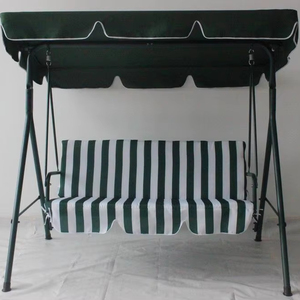
Commercial 3-Person Outdoor Metal Swing Chair System
- Heavy-gauge reinforced steel framework
- Multi-layer powder coating against oxidation
- High-capacity seating for resort grounds
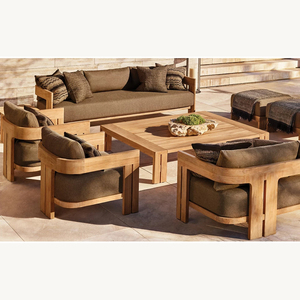
Luxury Teak Frame Modular Outdoor Sectional & Daybed
- Sustainably harvested Grade-A teak frame
- Hydrophobic quick-dry reticulated foam
- Customizable modular outdoor footprint
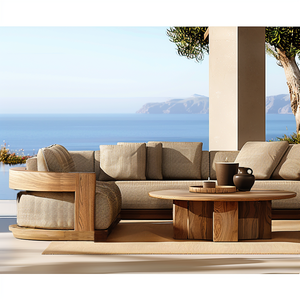
Signature Myanmar Teak Commercial Resort Sunbed
- Natural teak oil rich weather resistance
- Ergonomic lounger positioning options
- High UV-index resilient textilene weave
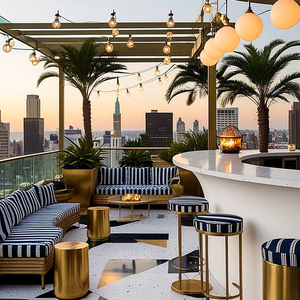
Marine Rope & Teak Commercial Lounge Chair Set
- Solution-dyed polyolefin Italian rope weave
- Non-fading under high coastal UV index
- Ideal for high-turnover poolside bars
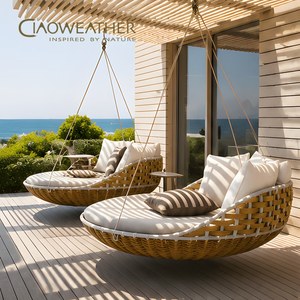
All-Weather Aluminum & Rattan Commercial Daybed
- Lightweight T6 architectural aluminum core
- Hand-woven synthetic rattan UV-stabilized
- Integrated canopy shading configuration
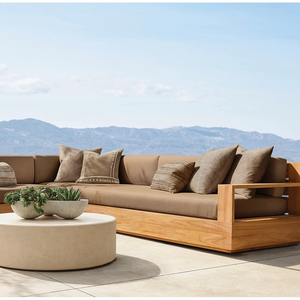
Wholesale Modular Teak Poolside Deck Lounge System
- Precision mortise-and-tenon wood joinery
- Bespoke stain and oil finish treatments
- Built for heavy commercial contract use
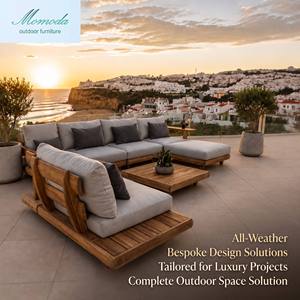
Designer Modular Luxury Resort Deck Sunbed
- Grey padded weather-defying cushions
- AkzoNobel powder coated metal sub-frame
- Modular adaptability for wide terraces
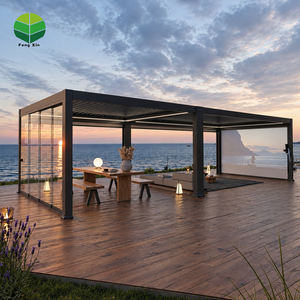
Motorized Bioclimatic Pergola Shade System
- Automated adjustable louvre roof system
- Integrated guttering & storm drainage
- Seamless pairing with lounger layout
The Osaka Hospitality Boom & Commercial Outdoor Furniture Engineering Requirements
As Osaka accelerates its urban transformation ahead of World Expo 2025 and the expansion of integrated resort (IR) projects along the Yumeshima waterfront and Osaka Bay area, commercial procurement directors face unprecedented demands. Commercial sun loungers and outdoor daybed systems specified for Kansai’s luxury hospitality developments are no longer evaluated solely on aesthetics. They must withstand a brutal microclimate: intense humid summers, direct coastal typhoons, elevated atmospheric salt salinity, and rigorous seasonal thermal shifts.
For hotel owners, project architects, and procurement managers sourcing directly from global manufacturers and exporters, achieving operational longevity requires understanding the material science behind commercial outdoor seating. Selecting the wrong specification leads to frame oxidation, teak checking, cushion water retention leading to mold, and early asset replacement cycles that erode hotel ROI.
1. Microclimate Engineering: Battling Osaka Bay’s Salinity & Typhoons
Outdoor furniture deployed along Nanko, Tempozan, or rooftop lounges in Umeda must carry specific anti-corrosion credentials. Standard powder-coated aluminum or untreated timber deteriorates rapidly under Kansai’s marine aerosol environment. High-end exporters utilize structural-grade T6 aluminum alloys combined with C5-M (Marine Grade) multi-stage electrostatic powder coating. This process includes pre-treatment wash cycles, zirconium conversion coating, and high-temp curing to resist salt spray corrosion up to 3,000 hours under standard ASTM B117 testing.
Furthermore, coastal typhoon events necessitate lightweight structural strength coupled with rapid-anchoring mechanisms. Commercial loungers specified for high-wind rooftop terraces are engineered with hidden weight compartments or modular inter-locking track systems that prevent displacement during severe weather warnings without sacrificing aesthetic elegance.
2. Material Benchmark: Grade-A Teak vs. Marine-Grade Aluminum & Synthetics
Sourcing commercial sun loungers for luxury Japanese properties requires navigating material performance profiles. Below is an engineering evaluation matrix detailing performance metrics for Osaka’s high-traffic commercial environments:
| Material Core | Salinity & Humidity Resistance | Tensile Strength & Wind Rating | Maintenance Cycle (Commercial) | Osaka Hospitality Fit Scenario |
|---|---|---|---|---|
| Kiln-Dried Grade-A Indonesian Teak | Exceptional (High natural silica & oleoresins) | High Structural Mass (Resists displacement) | Annual teak oil treatment or natural patina | Onsen resorts, coastal luxury daybeds, heritage garden suites |
| Powder-Coated T6 Aluminum Frame | Superior (C5-M Coating, ZERO rust potential) | High Strength-to-Weight Ratio | Low (Routine clean water washdown) | Urban rooftop lounges (Umeda, Namba), multi-tier pool decks |
| Solution-Dyed Polyolefin Marine Rope | Impervious to mildew & chlorine water | Flexibility under cyclic mechanical load | Ultra-low (Quick drying, UV stabilized) | Modern boutique hotel terraces, high-turnover beach clubs |
| All-Weather HDPE Synthetic Wicker | High chemical resistance (Chlorine/Salt) | Medium Elasticity | Low (Pressure wash safe) | Family resort pool sides, high-occupancy wellness spas |
Osaka Hospitality Application Scenarios
Tailoring structural lounger systems to specific commercial architectural footprints across Kansai.
Osaka Bay & Yumeshima Waterfront Resorts
Direct exposure to sea breezes and elevated humidity demands marine-grade stainless hardware (AISI 316) integrated into kiln-dried teak daybeds. Sun loungers deployed in these zones feature reticulated open-cell foam cushions covered in solution-dyed acrylics that dry completely within 30 minutes after sudden sea-mist moisture.
Umeda & Namba Rooftop Sky Lounges
High-altitude urban rooftops demand lightweight modular aluminum sun loungers with low wind-resistance profiles. Modularity allows staff to swiftly reconfigure seating layouts for corporate events or private VIP bookings while complying with Japanese architectural floor-loading and fire-safety codes.
Traditional & Modern Onsen Spa Decks
Thermal water vapors and high mineral content can degrade standard furniture finishes. Natural teak loungers with non-toxic, eco-certified wood oils preserve structural integrity in thermal outdoor bath zones, aging into a distinguished silver patina that complements Japanese zen landscape design.
Osaka Procurement Trends for Commercial Outdoor Furniture
Sourcing outdoor furniture for Osaka’s commercial properties has shifted dramatically over recent procurement cycles. Global hotel operators (such as Marriott, Hyatt, and local luxury brands like Hoshino Resorts) require verified sustainability trails and modular flexibility. Key trends defining the market include:
- Integrated Bioclimatic Ecosystems: Hoteliers are moving away from stand-alone loungers to combined shade-and-seating systems. Motorized bioclimatic pergolas with adjustable aluminum louvers paired with matching teak loungers allow year-round revenue generation regardless of rain or intense sun.
- BIM/CAD Ready Specification: Japanese architecture and construction firms (such as Kajima, Obayashi, and Taisei) require 3D digital twins and production-ready BIM models (RVT/DWG formats) for seamless integration into 3D building specifications.
- Strict Environmental Compliance (SVLK/FSC Certified): Commercial tenders in Japan mandate legally sourced timber. Triconville’s Indonesian manufacturing holds full SVLK wood legality certification, ensuring zero compliance risk during customs clearance at the Port of Osaka.
- High-Density Compact Storage: Given space constraints on urban decks, commercial sunbed designs must incorporate stackability or modular teardown capabilities for winter storage or typhoon lockdown protocols.
Why Osaka Developers Partner with Triconville
Twenty-three years of Southeast Asian artisanal craftsmanship combined with modern industrial engineering capability.
Vertically Integrated Manufacturing
We control the entire supply chain—from raw teak drying in automated kilns to aluminum extrusion, precision CNC machining, hand weaving, and quality assurance testing in our Indonesian manufacturing facilities.
Contract-Grade Commercial Warranties
Our products carry comprehensive commercial warranties designed specifically for B2B contract environments. Frames, powder coatings, and synthetic weaves are guaranteed against structural failure under heavy guest usage.
End-to-End Osaka Logistics Handling
We manage full container loads (FCL) and consolidated shipments directly to the Port of Osaka (Nanko Port), coordinating customs documentation, import duties, and scheduled site delivery to meet your installation timeline.
Frequently Asked Questions by Osaka Buyers
Key operational, logistical, and technical considerations for importing commercial loungers into Japan.
Ready to Elevate Osaka’s Next Luxury Outdoor Destination?
Connect with our global commercial sales director and technical engineering team for dimensioned CAD drawings, sample swatches, and factory-direct pricing for your project.