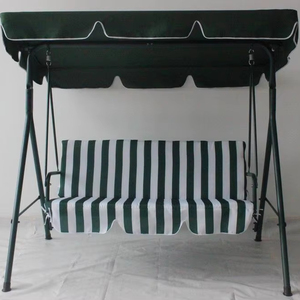
Featured Engineering & Commercial Seating Systems
Explore our benchmark outdoor furniture systems specified for luxury hospitality, high-end residential, and commercial developments globally.
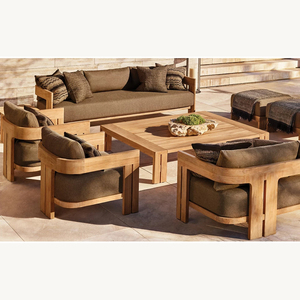
Luxury Teak Wood Outdoor Patio Furniture Frame Sectional Sofa Patio Outdoor Garden Furniture Sofa Set
Contact Us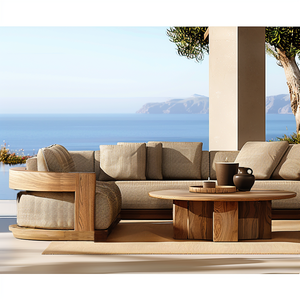
2024 Outdoor Teak Sofa Set Garden Furniture Sets Patio Lounger Table Coffee Chair Sunbed Villa Bali Sofa
Contact Us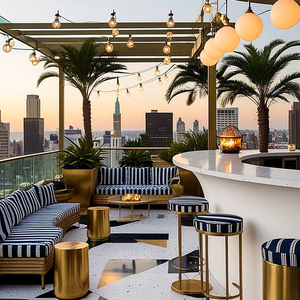
Luxury Hotel Restaurant Furniture Outdoor Furniture Rope Woven Chair Wood Table Beach Luxury Set Modern
Contact Us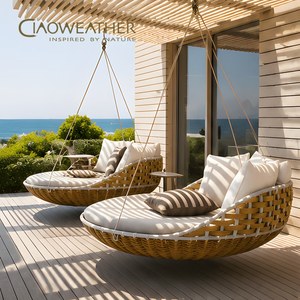
Modern Outdoor Garden Patio Lounge Sun Bed Villa Hotel Aluminum Rattan Wicker Swings Daybed Courtyard
Contact Us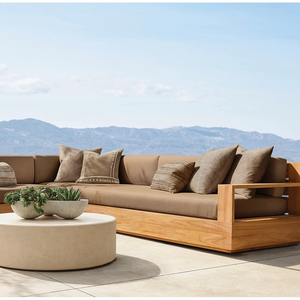
Wholesale Garden Sofas Outdoor Sofa Teak Outdoor Furniture Architecture Lounge Systems
Contact Us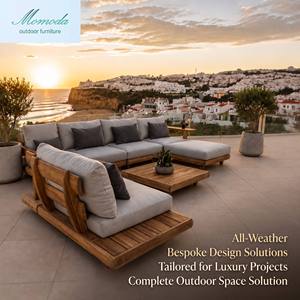
Designer Choice Solid Wood Frame Weather Resistant Grey Padded Seating Modular Sectional Patio Sofa
Contact Us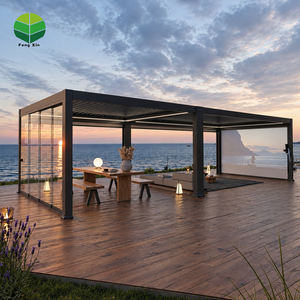
Waterproof Motorized Bioclimatic Pergola Adjustable Aluminum Louvered Roof Customizable Outdoor Gazebo
Contact UsChina Garden Seating Manufacturing: Strategic Sourcing & Global Supply Chain Evolution
An authoritative B2B whitepaper on navigating supplier technical capabilities, structural durability standards, material science innovation, and OEM contract procurement.
The global landscape for commercial and high-end residential outdoor furniture has undergone a structural paradigm shift. As landscape architects, hotel operators, resort developers, and bulk furniture importers navigate an increasingly complex international supply chain, identifying the top China garden seating suppliers and exporters has evolved far beyond evaluating unit pricing. Modern procurement decisions mandate rigorous scrutiny of material engineering, UV degradation tolerances, structural frame integrity, localized climate adaptation, and compliance with international sustainability frameworks.
China’s manufacturing ecosystem for outdoor seating has matured from high-volume, low-cost assembly into a sophisticated hub of precision engineering, advanced metallurgy, sustainable timber processing, and architectural customization. By integrating decades of traditional Southeast Asian timber craft with cutting-edge robotic welding, automated powder coating lines, and CNC-machined joinery, leading Chinese exporters are setting new global benchmarks for contract-grade outdoor furniture.
23+
Years Manufacturing Excellence
40+
Global Markets Specified
100%
In-House Quality Control
ISO 9001
Certified Supply Chain
Whether specifying modular seating systems for coastal beach resorts exposed to high salinity or engineering lightweight, stackable dining options for urban commercial terraces, enterprise buyers must align with suppliers possessing vertically integrated manufacturing ecosystems. Vertically integrated export facilities maintain complete internal oversight across raw material kiln-drying, aluminum extrusion alloy selection (such as marine-grade 6063-T6), outdoor textile weaving, and multi-stage anti-corrosion surface treatments.
Engineering Excellence & Manufacturing Strengths
Why leading global hotel brands, contract specifiers, and real estate conglomerates partner with our manufacturing facilities for large-scale outdoor projects.
Vertically Integrated Manufacturing
From raw timber kiln drying to automated 5-axis CNC wood shaping, aluminum extrusion, marine-grade powder coating, and hand-woven rope artistry, every production phase is executed in-house for zero-defect quality assurance.
Severe Climate Durability Engineering
Products undergo rigorous simulated weather testing: 1,500-hour salt spray corrosion testing (ASTM B117), accelerated UV exposure trials (ISO 4892), and high-humidity thermal shock evaluations ensuring longevity in desert, tropical, or coastal environments.
BIM & Specification Support
We provide global specifiers, architects, and designers with technical support packages including production-ready BIM/Revit 3D models, dimensioned structural drawings, material sample libraries, and comprehensive care protocols.
Artisanal Mastery Combined with Mechanical Precision
Our operational framework bridges traditional woodworking heritage—such as mortise-and-tenon teak joinery—with modern structural metallurgy. For contract seating, frames utilize heavy-gauge wall thicknesses combined with internal reinforcement gussets at primary stress points. This structural redundancy prevents frame distortion or weld fatigue under heavy commercial usage cycles in public spaces.
Furthermore, our outdoor seating collections leverage system-based design methodologies. Rather than offering isolated furniture pieces, seating systems are designed as coordinated modular families. This architectural cohesion allows designers to specify continuous aesthetic narratives across expansive pool decks, open-air dining venues, rooftop lounges, and private villa terraces using matched powder-coat finishes, consistent textile weaves, and uniform timber color tones.
Future Procurement Trends in Outdoor Garden Seating (2025–2030)
Strategic insights for enterprise procurement officers and contract buyers managing multi-year real estate and hospitality pipelines.
1. Circular Economy & Sustainable Material Auditing
Procurement teams are shifting away from unverified suppliers toward manufacturers adhering to strict ESG metrics. Buyers now demand certified legal timber origin (such as SVLK/FSC certification for Grade-A Teak), low-VOC powder coatings, recyclable aluminum alloys, and textiles constructed from post-consumer recycled marine plastics. Traceability across the tier-1 and tier-2 supply chains is becoming non-negotiable for institutional contract awards.
2. Spatial Agility & Deep Modular Configuration
Post-pandemic spatial planning prioritizes outdoor flex-spaces. Fixed outdoor seating is rapidly being replaced by multi-functional modular sectionals that can be instantly reconfigured from intimate lounge clusters into expansive banquet seating. Suppliers must offer standardized inter-locking bracket systems, lightweight yet durable frames, and quick-change replacement cushion covers that minimize operational downtime for venue operators.
3. Integration of Smart Architectural Shading & Seating
The boundary between standalone garden furniture and architectural structures is blurring. Procurement strategies now frequently package outdoor seating alongside integrated bioclimatic louvered pergolas, motorized side screens, embedded ambient LED lighting, and integrated warming elements. Manufacturers who provide unified architectural-plus-furniture technical packages eliminate cross-vendor friction and installation discrepancies.
4. Total Cost of Ownership (TCO) Prioritization
Institutional buyers are moving from initial purchase cost evaluation to a 10-year Total Cost of Ownership (TCO) model. Seating constructed with low-grade foam or standard steel tubes incurs rapid cushion degradation, rust staining on expensive outdoor decking, and frequent replacement expenses. Contract buyers are investing upfront in reticulated quick-dry foam, solution-dyed acrylics, and structural aluminum alloy frames to lower long-term maintenance overhead.
Technological Innovations & Material Science Developments
How cutting-edge raw material innovations are revolutionizing performance benchmarks in commercial outdoor seating.
The outdoor furniture sector is undergoing rapid technological innovation driven by advances in textile chemistry, polymer physics, and metallurgical surface engineering. As global climate patterns exhibit extreme temperature fluctuations and elevated solar irradiance, standard outdoor materials fail prematurely. Leading Chinese exporters are implementing advanced material sciences to build hyper-resilient furniture solutions:
Advanced Metallurgy & Multi-Stage Surface Treatment
Modern outdoor metal seating relies on specialized extruded aluminum alloys (such as 6063-T6) engineered for high tensile strength and superior corrosion resistance. Frame preparation involves multi-stage chemical pretreatment—including chromate-free conversion coatings and ultrasonic degreasing—followed by thermosetting fluorocarbon or architectural-grade polyester powder coating. This creates a non-porous physical barrier against salt spray, chemical cleaning agents, and atmospheric pollutants, ensuring zero surface oxidation or flaking over long-term commercial deployments.
Reticulated Quick-Dry Foam Cores & Hydrophobic Textiles
Traditional indoor polyurethane foam acts as a sponge when exposed to precipitation, resulting in internal mold growth and extended drying delays. High-performance outdoor seating now exclusively integrates open-cell reticulated polyurethane foam cores. The porous cellular matrix permits water to drain rapidly through the cushion base while maintaining high structural resilience and memory retainment.
Simultaneously, upholstery utilizes 100% solution-dyed acrylic fabrics (such as Sunbrella and Axvision engineering standards). Unlike piece-dyed textiles where color resides only on the surface, solution-dyed fibers lock UV-stable pigments directly into the liquid polymer state prior to yarn extrusion. This yields fabrics that resist fading under intense solar exposure, tolerate bleach cleaning solutions, and deliver robust water and oil repellency.
High-Performance All-Weather Rope Weaving & Synthetic Rattan
Tactile luxury in contemporary garden seating is heavily reliant on woven rope motifs and synthetic wicker elements. Modern synthetic ropes utilize core structures wrapped in solution-dyed acrylic or high-tenacity polypropylene yarns treated with light stabilizers (HALS). These engineered ropes provide soft textile ergonomics while offering extreme tensile strength, zero moisture absorption, and immunity to chlorine and saltwater degradation.
Frequently Asked Questions (FAQ) for Global B2B Buyers
Key technical, logistical, and commercial inquiries answered by our senior supply chain and engineering directors.
What minimum quality standards should enterprise buyers require from China garden seating suppliers?
Enterprise buyers should verify that suppliers comply with ISO 9001 quality management systems and maintain test certifications for international performance standards. Key benchmarks include EN 581 (European standard for contract outdoor seating structural safety and durability), ASTM B117 (salt spray corrosion resistance testing for metal coatings), and ISO 105-B02 for textile color fastness under light exposure. Furthermore, ensure the facility provides raw material mill test certificates (MTC) for aluminum alloys and legal timber verification (FSC or SVLK) for wood components.
How do you ensure Grade-A Teak wood stability during international shipping and variable climates?
Grade-A Teak wood sourced for export furniture undergoes a strict multi-stage kiln-drying process to reduce internal moisture content down to 8% – 12%. This precise threshold prevents timber checking, splitting, or warping when furniture is shipped across fluctuating relative humidity zones. Furthermore, all timber joinery utilizes exterior-grade polyurethane (PUR) structural adhesives and marine-grade 316 stainless steel hardware to accommodate natural micro-expansion and contraction without structural failure.
What customization options (OEM/ODM) are available for hospitality contract specifications?
We provide end-to-end OEM and ODM capabilities tailored for large-scale contract projects. Customization scope includes dimensional adjustments, custom aluminum extrusion profile engineering, client-specified RAL powder coat color matching, bespoke fabric sourcing, integrated branding plates, and custom modular seating layouts. Registered trade partners can access 3D CAD modeling, rapid prototyping, and physical sample review cycles prior to full mass production.
What is the typical production lead time and minimum order quantity (MOQ) for bulk exports?
Standard production lead times range between 35 to 45 days following final engineering sample approval and deposit confirmation. For custom hospitality contract projects involving complex OEM tooling, lead times may extend to 55 days. Minimum Order Quantities (MOQ) typically start at one 20ft container load, which can be composed of mixed items from coordinated collections to facilitate initial inventory stocking or multi-zone project deployment.
How are seating products packaged to prevent damage during ocean transit?
All items undergo export-grade protective packaging designed for harsh ocean transport. Metal frames are wrapped with multi-layer high-density EPE foam and corner guards. Woven rope and cushion elements are sealed in moisture-barrier polythene sheeting containing desiccant packs to prevent humidity condensation mold during transit. Outer packaging utilizes heavy-duty 5-ply honeycomb corrugated cartons, with option for full wooden crate reinforcement on delicate architectural items or luxury teak lounge tables.
Partner with China's Premier Outdoor Seating Exporter
Accelerate your project procurement workflow with factory-direct pricing, BIM specification support, and guaranteed commercial-grade engineering. Talk to our technical specialists today.
Contact Us