Featured Commercial Teak & Outdoor Collections
Engineered for high-traffic hospitality, luxury resort master plans, and exclusive residential projects worldwide.
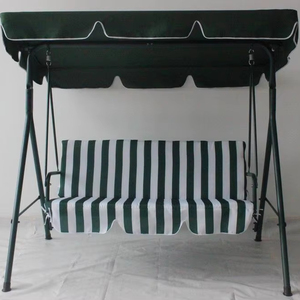
High Quality 3-Person Outdoor Metal Swing Chair
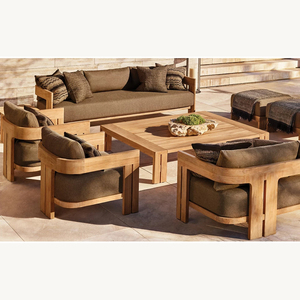
Luxury Teak Wood Outdoor Patio Sectional Sofa
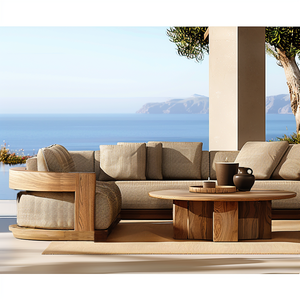
2024 Outdoor Teak Sofa Set & Sunbed Collection
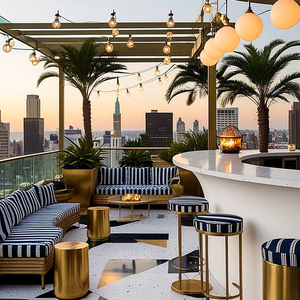
Luxury Hotel Rope Woven Dining Chair & Wood Table
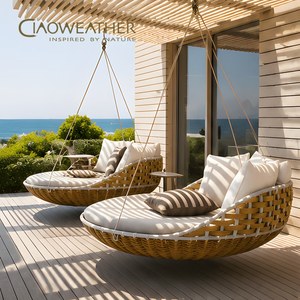
Modern Garden Patio Daybed & UV Resistant Lounge
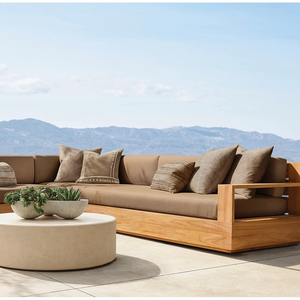
Wholesale Commercial Grade Teak Garden Sofas
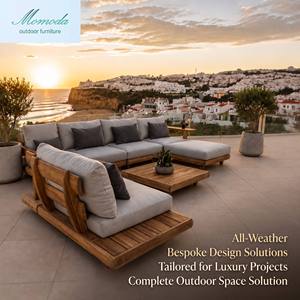
Designer Choice Weather-Resistant Teak Modular Sofa
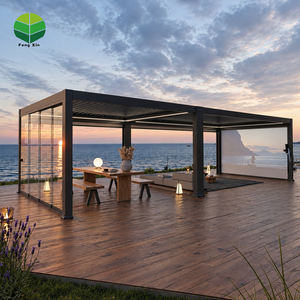
Motorized Bioclimatic Pergola Architectural System
Executive Whitepaper: The Global Commercial Teak Chair & Outdoor Furniture Landscape
In high-end commercial architecture and commercial landscape procurement, specifying teak (Tectona grandis) seating systems requires a deep understanding of wood physics, manufacturing compliance, and global supply chain dynamics. Teak has long been recognized as the premium material for outdoor environments due to its high concentration of natural rubber and silica oleoresins, which grant it superior dimensional stability, natural resistance to rot, and immunity to marine borers.
However, the global market for commercial teak chairs is highly fragmented. Procurement officers, hotel developers, and architectural specifiers must navigate significant variations in timber grading (Grade-A versus Grade-B/C sapwood), moisture control protocols, joinery engineering, and legal timber certification frameworks such as SVLK (Sistem Verifikasi Legalitas Kayu) and FLEGT licensing.
Key Engineering Criteria for Commercial Teak Seating Specification
When reviewing top manufacturers and OEM factories, structural failure in commercial applications rarely stems from the teak timber itself; rather, it occurs at the connection points, glue joints, and stress interface boundaries. Leading manufacturers implement rigorous engineering processes:
- Automated Computerized Kiln Drying: Raw timber must undergo a slow, controlled dehumidification process over 30 to 45 days to reduce core moisture content to between 8% and 12%. Failing to achieve uniform moisture levels leads to checking, splitting, and structural warping under extreme UV and thermal cycles.
- Precision CNC Mortise & Tenon Joinery: Unlike residential-grade furniture assembled with exposed screws or dowels, commercial-grade teak chairs utilize deep-fitted mortise and tenon joinery reinforced with marine-grade 316 stainless steel hardware and waterproof polyurethane adhesives (D4 standard).
- Oleoresin Retention Management: High-grade teak naturally secretes oils. Premium factories utilize controlled surface preparation and specialized outdoor sealer coatings that allow the timber to adjust to atmospheric changes while preventing excessive tannin bleed on stone paving.
Manufacturing Capabilities & Technical Advantages
Why Tier-1 hospitality operators and global brand specifiers partner with vertically integrated Indonesian factories.
Sustainable Grade-A Sourcing
100% legal timber sourced directly from government-managed Perhutani plantations. Grade-A teak is harvested exclusively from mature heartwood (over 40 years old), ensuring rich oil content, tight grain structure, and zero sapwood inclusion.
Hybrid Material Integration
Advanced manufacturing combining precision-milled teak with architectural-grade extruded aluminum, high-tensile outdoor rope, and UV-stabilized synthetic weaves to satisfy modern hospitality aesthetics.
Contract OEM & Customization
Full BIM/CAD integration, rapid prototyping, and custom engineering support for large commercial contract developments, maintaining consistent quality across multi-container production runs.
Technical Benchmark: Grade-A vs. Grade-B/C Teak Specification
Understanding timber grading metrics is crucial for procurement managers evaluating commercial bids to ensure long-term ROI and minimal maintenance lifecycle costs.
| Evaluation Parameter | Grade-A Teak (Architectural Spec) | Grade-B Teak (Commercial Standard) | Grade-C Teak (Residential/Low Cost) |
|---|---|---|---|
| Timber Source | Heartwood of mature trees (>40 yrs) | Outer heartwood of semi-mature trees | Outer sapwood of young trees (<15 yrs) |
| Natural Oil & Resin Content | Extremely high; self-protecting | Moderate; requires applied oils | Low; prone to rot and pest infestation |
| Grain Structure | Tight, straight, highly uniform grain | Slightly irregular; minor whorls | Uneven grain; high presence of sapwood |
| Moisture Content | 8% – 12% (Kiln-Dried Controlled) | 12% – 16% (Air/Kiln Dried) | > 18% (Often inadequately dried) |
| Expected Lifespan (Outdoor) | 50+ Years (Minimum maintenance) | 15 – 25 Years | 3 – 7 Years (High rate of checking) |
Top 10 Teak Chair Manufacturers & Global Factories
A global benchmark of the industry's leading teak furniture manufacturers, evaluated by engineering precision, sustainable sourcing, and contract capacity.
Primary Focus: Architecture-Led Quiet Luxury & Commercial Contract Systems.
Core Strengths: Over 23 years of specialized manufacturing experience operating state-of-the-art facilities in Central Java, Indonesia. Triconville leads the industry in integrating Grade-A Indonesian teak with powder-coated marine-grade aluminum, outdoor rope, and motorized pergolas. Features flagship showrooms in Dubai, Jakarta, Kuala Lumpur, and Riyadh.
Primary Focus: High-End Residential & Luxury Hospitality.
Core Strengths: Known worldwide for pioneering teak furniture design aesthetics. Gloster operates its own dedicated teak plantations in Indonesia, maintaining strict quality control over timber selection and precision finishing.
Primary Focus: Traditional British Outdoor Living & Heritage Collections.
Core Strengths: As the world's oldest manufacturer of teak outdoor leisure furniture, Barlow Tyrie offers classic British design engineered to survive extreme weather conditions.
Primary Focus: European Contemporary Outdoor Architecture.
Core Strengths: Combining Belgian design ingenuity with precision manufacturing, Royal Botania excels in blending teak components with stainless steel frames and minimal structural profiles.
Primary Focus: North American Contract & Residential Market.
Core Strengths: Kingsley Bate is a leading brand in elegant outdoor furniture, combining sustainable teak harvesting with weather-resistant synthetic weaves.
Primary Focus: Yachting Sector & Ultra-Luxury Residential Estates.
Core Strengths: Summit delivers handcrafted teak seating designed by international icons. Their pieces undergo rigorous marine-grade testing suited for saltwater environments.
Primary Focus: Direct-from-Factory B2B Volume Supply.
Core Strengths: Located in Jepara, Indonesia—the global epicenter of teak craftsmanship—these specialized manufacturing clusters provide extensive OEM capacity for major global distributors.
Primary Focus: Sustainable Contemporary Contract Seating.
Core Strengths: Specializes in reclaimed and recycled teak furniture combined with composite materials, tailored for eco-conscious luxury hotels and commercial developments.
Primary Focus: Scandinavian Design & Functional Outdoor Living.
Core Strengths: Clean, functional lines highlighting raw teak textures. Skagerak focuses on FSC-certified timber and understated craftsmanship that patinas gracefully.
Primary Focus: Indoor & Outdoor Craft Seating.
Core Strengths: Renowned for Lloyd Loom craft traditions, Vincent Sheppard integrates teak bases with sophisticated woven seats for boutique hotel lobbies and dining terraces.
Future Sourcing & Development Trends in Commercial Teak Furniture (2025–2030)
The global outdoor contract furniture industry is undergoing a structural shift driven by climate variations, stricter environmental regulations, and evolving guest expectations in luxury hospitality spaces. B2B buyers and architects must plan around several emerging macro trends:
1. Climate-Resilient Material Hybridization
Pure wooden furniture is increasingly giving way to hybrid architectural systems. Leading factories are combining teak with marine-grade powder-coated 6063 aluminum frames, UV-treated solution-dyed acrylic ropes, and quick-dry reticulated polyurethane foam cores. This hybrid approach maintains the tactile warmth of natural teak at key touchpoints (armrests, table surfaces) while using structural metal profiles to maximize load performance and minimize shipping volume.
2. Digital Twin Adoption & BIM Integration
Commercial developers no longer procure furniture based solely on physical catalogs. Procurement workflows now demand production-ready Autodesk Revit BIM models, 3D DWG/FBX assets, and digital twin files. These allow architectural firms to perform lighting, spatial planning, and thermal exposure simulations before issuing purchase orders. Manufacturers offering full digital asset libraries are securing early-stage project specifications.
3. Circular Lifecycle & Refurbishment Protocols
With commercial operators prioritizing ESG (Environmental, Social, and Governance) targets, contract furniture must offer documented end-of-life options. Tier-1 manufacturers design modular seating systems with individually replaceable components. If a single chair arm or cushion wears out in a high-turnover hotel environment, the piece can be serviced on-site without needing complete replacement, extending product life cycles past 15 years.
4. Rigorous Timber Traceability & Supply Chain Compliance
Regulations such as the European Union Deforestation Regulation (EUDR) and US Lacey Act compliance require absolute transparency regarding wood origins. Modern teak chair manufacturers must provide digital chain-of-custody documentation linking every timber batch back to verified, sustainably managed forestry concessions.
Commercial Teak Procurement FAQ
Technical guidance for developers, architects, and hotel supply teams.
Why is kiln drying critical for commercial teak chairs imported to desert or alpine environments?
Teak harvested in humid tropical zones (such as Indonesia) naturally retains a high moisture content. If timber is air-dried or improperly kiln-dried above 12% moisture content, shipping it to low-humidity regions (such as Dubai, Riyadh, or Arizona) causes rapid moisture loss. This leads to severe cracking, joint separation, and structural failure. Controlled kiln drying stabilizes the internal cell structures to match target climate equilibrium moisture levels.
How does teak weather over time in commercial outdoor settings, and what maintenance is required?
Untreated Grade-A teak exposed to natural UV light and rain will oxidize into an elegant silver-grey patina over 6 to 12 months. This color change is purely cosmetic and does not compromise the wood's structural integrity. For commercial venues wishing to preserve the original warm golden-brown hue, an eco-friendly water-based teak protector sealant should be applied once annually. Periodic washing with mild soapy water removes surface dust and organic salt deposits.
What certifications should procurement managers request when sourcing teak furniture overseas?
Buyers should verify: (1) SVLK / FLEGT Certification to guarantee legal timber origin under Indonesian law; (2) FSC (Forest Stewardship Council) Chain of Custody documentation for sustainable forestry compliance; (3) ISO 9001 Quality Management System compliance at the manufacturing facility; and (4) EN 581 Test Reports verifying mechanical safety and strength performance for commercial outdoor seating.
What lead times and Minimum Order Quantities (MOQs) are typical for direct-factory contract orders?
Standard manufacturing lead times for full-container-load (FCL) OEM/ODM commercial orders range between 6 to 10 weeks, depending on product complexity, wood seasoning cycles, and hardware customization. Minimum order quantities typically start at 20 to 50 units per chair model for custom contract finishes, or 1 x 20-foot container equivalent for mixed-product project orders.
Initiate Your Commercial Furniture Specification
Connect directly with our engineering team to request BIM/CAD technical packages, timber material samples, or factory-direct B2B quotation proposals.