Benchmark Commercial Dining & Lounge Inventory
Engineered for extreme hospitality environments, luxury resorts, and high-footfall commercial developments worldwide.
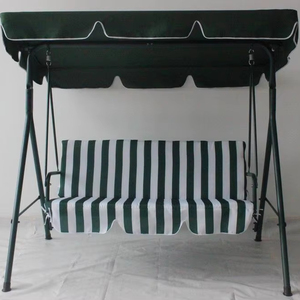
High Quality 3-Person Outdoor Metal Swing Chair with Steel Tube Modern Design
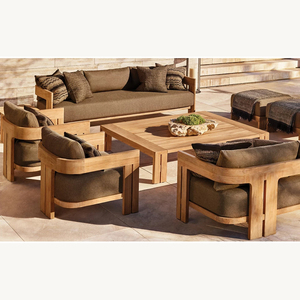
Luxury Teak Wood Outdoor Patio Furniture Frame Sectional Sofa Set
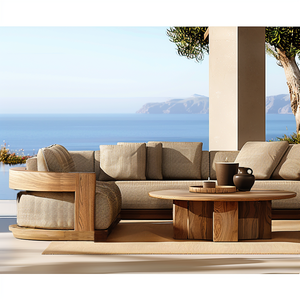
Outdoor Teak Sofa Set Garden Furniture Sets Patio Lounger Coffee Chair
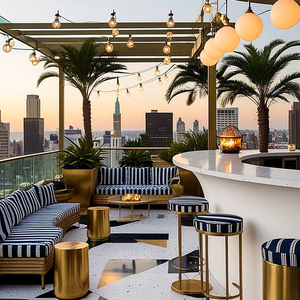
Luxury Hotel Restaurant Furniture Outdoor Rope Woven Chair & Wood Table
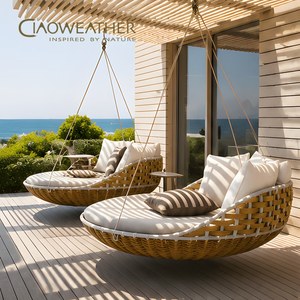
Modern Outdoor Garden Patio Lounge Sun Bed Villa Hotel Aluminum Rattan Swings
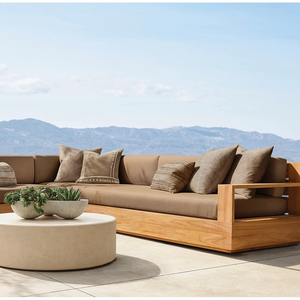
Wholesale Garden Sofas & Architectural Teak Outdoor Furniture System
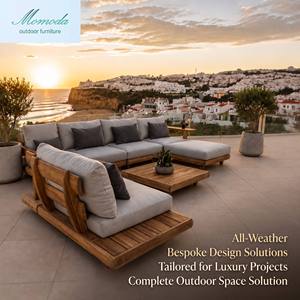
Designer Choice Solid Wood Frame Weather Resistant Grey Padded Sectional
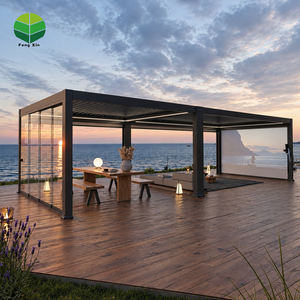
Waterproof Motorized Bioclimatic Pergola Adjustable Aluminum Louvered Roof
Global Dining Chair & Commercial Furniture Benchmarks
Comparative evaluation of manufacturing hubs, material integrity, and contract compliance standards for international buyers.
| Manufacturing Hub | Primary Material Strengths | Quality Standards (ISO/EN) | Customization / OEM Depth | Target Project Scale |
|---|---|---|---|---|
| Indonesia (Triconville Hub) | Grade-A Teak Wood, Marine Aluminium, Rope | EN 581-1/2/3, FSC Certified, ISO 9001 | Complete BIM & Bespoke Structural Modulars | Luxury Hospitality & Architectural Resorts |
| Northern Italy Cluster | Leather upholstery, Polycarbonate, Fine Steel | CATAS Standard, ISO 14001 | High Design Custom Finishes | High-End Residential & Boutique Dining |
| Vietnam (Binh Duong) | Acacia Wood, Engineered Timber, Wicker | BSCI, SMETA, ISO 9001 | Mass OEM Production & Flat-Pack Packaging | Big-Box Retail & Mass Commercial Chains |
| Guangdong, China | Extruded Aluminum, Stainless Steel, Synthetic Fabrics | ANSI/BIFMA X5.1, CE, ISO 9001 | Rapid Prototyping & Large-Scale Moulding | Urban Commercial, Fast-Casual Chains & Hotels |
| Germany (Bavaria Region) | Precision Steel Alloys, Ergonomic Composites | DIN EN 1728, Blue Angel Eco-Label | Modular Engineering & Acoustic Seating | Corporate Headquarters & Institutional Dining |
Executive Whitepaper: Strategic Sourcing of Commercial Dining Chairs & Outdoor Furniture
In an era defined by fluctuating global supply chains, heightened environmental accountability, and stringent architectural specifications, commercial furniture procurement has evolved from simple purchasing into a complex engineering discipline. Procurement directors, hospitality executives, and lead architects require deep structural visibility when evaluating the Top 10 Dining Chair Manufacturers & Factories worldwide.
This industry report analyzes global manufacturing ecosystems, examining material engineering, joinery mechanics, climate durability, and quality control protocols necessary for high-density dining environments. Whether specifying seating for five-star coastal resorts, urban commercial plazas, or high-volume corporate dining facilities, identifying vendors capable of fulfilling structural guarantees (such as EN 581 and ANSI/BIFMA standards) remains paramount.
Core Procurement Principle: A commercial dining chair in a hospitality setting experiences over 2,500 stress cycles per year. Structural integrity hinges on joinery physics, wood moisture content calibration (8%–12%), marine-grade alloy powder coating, and UV-stabilized synthetic fibers.
Top 10 Global Dining Chair Manufacturing Criteria & Structural Benchmarks
To assist procurement professionals in navigating international production hubs, our research team has categorized the leading manufacturing centers based on technical expertise, material authenticity, and factory compliance.
1. Southeast Asian Solid Wood & Hybrid Engineering (Indonesia)
Indonesia remains the global epicenter for premium solid teak (Tectona grandis) dining chair production. Leading enterprise manufacturers, such as Triconville, combine centuries of artisanal Indonesian woodworking with precision CNC machining and kiln-drying operations. The result is structural joinery that withstands radical humidity changes without checking, warping, or joint separation.
Technical Advantage: Grade-A teak contains natural silica and high rubber content, providing inherent water resistance and immunity to rot. When combined with TIG-welded 6061-T6 aluminum inner frames, Indonesian factories deliver hybrid dining chairs ideal for luxury outdoor dining venues exposed to harsh marine environments.
2. Italian Ergonomic & Polymeric Precision (Udine & Brianza)
The Italian chair district (Manzano/Udine) is renowned for advanced polymeric injection moulding, bentwood technology, and luxury leather upholstery. Italian factories excel in producing iconic indoor dining chairs where aesthetic minimalism and ergonomic curves take priority.
Technical Advantage: Advanced finite element analysis (FEA) testing ensures thin, elegant shell designs achieve high structural load capacities without visible reinforcement ribs.
3. Mass-Scale Metal & Extrusion Manufacturing (Guangdong, China)
Factories in Foshan and Dongguan lead global production volume for metal dining chairs, extruded aluminum frames, and synthetic wicker weaving. These facilities offer rapid prototyping capabilities, extensive custom tooling options, and competitive price-to-performance metrics for large commercial projects.
4. Eastern European Hardwood Processing (Poland & Romania)
Leveraging vast FSC-certified beech and oak forests, Eastern European factories specialize in bentwood dining furniture and heavy-duty indoor dining chairs tailored for European bistro chains and hospitality venues.
Future Procurement Trends in Dining Chairs (2025–2030)
1. Integration of Building Information Modeling (BIM) & Digital Twins
Architectural specifiers no longer accept static CAD drawings. Modern procurement workflows demand LOD 300/400 BIM models with embedded material metadata, carbon footprint metrics, and maintenance schedules. Leading manufacturers provide native Revit (.rfa) and IFC files to streamline integration into master architectural blueprints.
2. Advanced Circularity & Replaceable Wear-Components
Sustainability regulations are pushing commercial buyers toward modular furniture architectures. Next-generation dining chairs feature field-replaceable upholstery modules, detachable leg glides, and unboltable frames. This modular design allows hotel operators to refurbish seating on-site, dramatically extending product lifecycles and lowering Total Cost of Ownership (TCO).
3. High-Performance Synthetic Textiles & Reticulated Foam Cores
Outdoor dining furniture must maintain cushion elasticity and hygiene despite rain, salt spray, and extreme sunlight. Leading factories utilize solution-dyed acrylics (such as Sunbrella and Agora) paired with reticulated polyolefin quick-dry foams. The open-cell structure permits rapid water drainage, preventing mold growth and water retention.
Material Engineering Standard Comparison
Understanding raw material grades is critical when evaluating factory quotes. Below is a comparative breakdown of key materials used across top dining chair manufacturers:
- Grade-A Teak (Indonesia): Sourced strictly from the heartwood of mature trees (30-40+ years old). Rich in natural oils, dense grain, zero sapwood inclusions. Kiln-dried to 8%–12% moisture content.
- 6061-T6 Marine-Grade Aluminium: Alloyed with magnesium and silicon, offering superior structural strength and corrosion resistance. Requires multi-stage chemical pretreatment prior to AkzoNobel powder coating.
- Thermoplastic Olefin (TPO) Rope: UV-stabilized core fibers wrapped in weather-resistant yarns, tested to endure 2,000+ hours of QUV accelerated weathering without color fading or tensile breakdown.
- 316 Stainless Steel Hardware: Essential for coastal resort installations to eliminate rust bleeding at critical structural fastener points.
Vertical Integration & Engineering Excellence
Our manufacturing capabilities combine traditional craftsmanship with rigorous quality management protocols.
23+ Years of Indonesian Mastery
Over two decades of dedicated manufacturing in Indonesia, blending centuries-old teak craft with automated high-precision CNC machinery.
Rigorous Quality Protocols
Every batch undergoes 100% internal quality audits, including EN 581 structural stability tests, salt-spray chamber testing, and timber moisture checks.
BIM & Trade Specification Support
We empower architects with technical specification sheets, high-resolution finish samples, and BIM/3D models tailored for direct project specification.
Bespoke OEM/ODM Personalization
Full customization program spanning frame dimensional modifications, custom powder coat color matching, and private-label contract production.
Traceable & Certified Timber
100% legal timber verification adhering to SVLK standards, FSC certifications, and strict sustainable forestry governance across our supply chain.
Global Logistics & Flagship Hubs
Dedicated project support with flagship showrooms in Dubai, Jakarta, Kuala Lumpur, and Riyadh, backed by nationwide trade distribution networks.
Frequently Asked Questions by Specifiers & Buyers
Answers to common technical inquiries regarding commercial dining chair sourcing and factory capabilities.
What structural certifications should I require when sourcing outdoor commercial dining chairs?
For commercial hospitality projects, seating should comply with EN 581-1 and EN 581-2 standards (European norm for general contract use outdoor seating) or ANSI/BIFMA X5.1 (American National Standard for Office/Commercial Seating). These certifications verify static load capacity, impact resistance, and fatigue strength over extended operational cycles.
How does Indonesian Grade-A Teak perform compared to Plantation Teak or Teak Alternatives?
Grade-A teak harvested from mature Indonesian trees contains the highest concentration of natural teak oils and resin. Sapwood or lower-grade timber (Grade B/C) lacks density and silica, making it prone to cracking, water absorption, and fungal attack. Genuine Grade-A teak requires zero chemical sealing to achieve decades of weather resistance in severe climates.
What is the typical production lead time for large B2B commercial dining chair orders?
Standard contract production cycles range from 6 to 10 weeks depending on order volume, material customization, and finish requirements. Rapid-ship programs for standard inventory or stock finishes can ship within 2 to 3 weeks. Custom tooling for OEM extrusion frames typically adds 4 weeks to initial prototyping.
How do you ensure powder-coated aluminum dining chairs do not corrode near coastal marine environments?
Corrosion prevention depends on the surface pretreatment process. Aluminum frames undergo multi-stage chemical washing and chrome-free conversion coating before receiving architectural-grade AkzoNobel Interpon powder coatings. This process achieves 1,500+ hours of continuous salt-spray resistance (ASTM B117 standard) without blistering or adhesion loss.
Can your factory produce custom designs based on architect rendering packages?
Yes. Our in-house engineering team translates 2D elevations and 3D concept renders into production-ready shop drawings and CAD files. We offer complete prototyping services, material sampling, and structural engineering reviews to ensure custom designs meet commercial strength and safety standards.
What options are available for replacing worn components on high-volume commercial dining seating?
All collections are built around a modular logic. We supply standardized spare parts kits, including replacement foot glides, modular seat cushions, quick-change slings, and hardware fasteners, allowing operators to easily maintain their inventory over time.
Ready to Specify Commercial Seating for Your Next Project?
Consult with our structural engineering team to receive full CAD/BIM packages, trade discount schedules, and physical material swatch books tailored for your commercial specification scope.