Featured CE-Certified Outdoor Systems
Engineered specifically for heavy-duty commercial resort environments, high-occupancy hospitality venues, and architectural residential outdoor spaces.
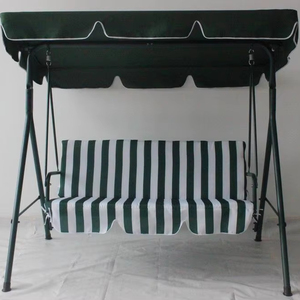
High Quality 3-Person Outdoor Metal Swing Chair
Contact Us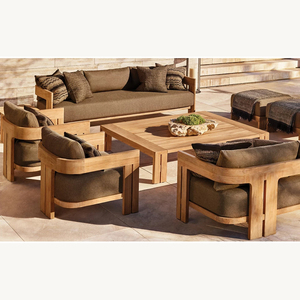
Luxury Teak Wood Frame Outdoor Sectional Sofa
Contact Us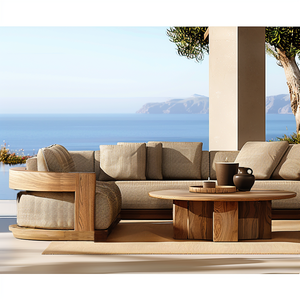
Outdoor Teak & Rattan Lounge System
Contact Us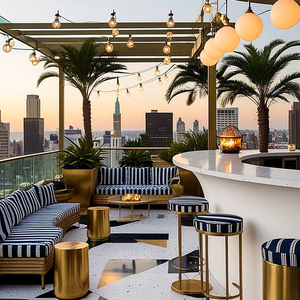
Commercial Hotel & Restaurant Dining Set
Contact Us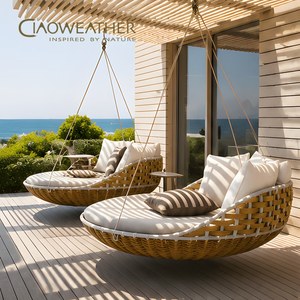
Aluminum & Wicker Outdoor Daybed Swing
Contact Us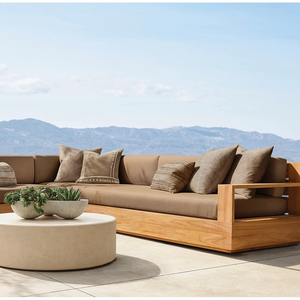
Wholesale Modular Teak & Rattan Garden Sofa
Contact Us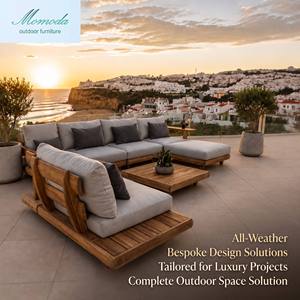
Designer Modular Weather-Resistant Sectional
Contact Us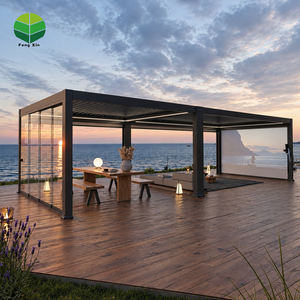
Bioclimatic Motorized Pergola Shading System
Contact Us23+ Years of Southeast Asian Craftsmanship & Industrial Rigor
Integrating artisanal hand-weaving heritage with modern CAD/BIM structural engineering for tier-1 hospitality operators and global procurement buyers.
Vertically Integrated Production
From raw aluminum extrusion and kiln-drying certified Grade-A teak to chemical formulation of high-density PE synthetic rattan, our manufacturing control guarantees batch-to-batch consistency across high-volume contract orders.
CE & EN 581 Compliance
Every commercial rattan collection undergoes rigorous mechanical safety, structural stability, and fatigue loading tests under EN 581-1, EN 581-2, and EN 581-3 standards, ensuring zero risk in public hospitality deployment.
BIM & Technical Spec Support
We furnish architectural specification partners with production-ready 3D CAD files, BIM models, tensile data sheets, and material swatch dossiers for seamless incorporation into project master plans.
Why CE Certification & Compliance Matter in Rattan Sourcing
In global commercial procurement, furniture is not merely a aesthetic choice—it is a structural asset subject to European Union safety regulations and international safety directives.
The Mechanical Integrity of CE-Compliant Outdoor Wicker
When commercial buyers specify outdoor rattan furniture for high-traffic environments—such as luxury resorts, cruise liners, beach clubs, and public parks—the structural frame and synthetic weave must endure multi-directional stress, dynamic user weights, and extreme microclimates without structural failure.
CE marking confirms that our rattan furniture complies with the essential health, safety, and environmental protection requirements set by European directives. Specifically for contract seating and dining tables, this involves rigorous testing for load-bearing capacity, shear strain resistance, edge impact endurance, and tipping resistance under tilt angles exceeding standard commercial limits.
Uncertified outdoor wicker often relies on recycled plastic fillers containing hazardous plasticizers or low-grade steel frames that corrode rapidly when exposed to humidity and marine salt air. Our factories utilize virgin, non-recycled High-Density Polyethylene (HDPE) resin treated with hindered amine light stabilizers (HALS), ensuring zero brittleness or chemical off-gassing over extended life cycles.
EN 581-1 & EN 581-2 Safety Standards
Defines mechanical safety requirements for seating and tables in contract and commercial spaces, ensuring structural load limits up to 160kg per seat module under cyclic testing.
REACH Chemical Safety Certification
Guarantees all synthetic PE rattan strands are 100% free from SVHC (Substances of Very High Concern), heavy metals, phthalates, and carcinogenic dyes as mandated by EU Law.
ISO 4892-3 Accelerated Weathering
QUV accelerated weathering laboratory verification testing synthetic resin strands for 5,000+ hours of continuous UV-B radiation without color loss or strand cracking.
Rattan Furniture Material & Manufacturing Development Trends
Analysis of technological breakthroughs shaping high-end commercial wicker, eco-polymer synthesis, and hybrid architectural framing.
Eco-Polymer & Ocean-Bound Synthetic Weaves
Global hotel chains and corporate developers are shifting heavily toward bio-based PE polymers and ocean-bound post-consumer plastic feeds. Advanced extrusion methods now replicate the tactile pore structure, organic color gradient, and variegated texture of natural split cane while providing 10x the tensile resilience and complete immunity to mold, moisture, and fungal decay.
Hybrid Metal-Wood-Wicker Construction
Single-material outdoor furniture is giving way to complex structural combinations. Modern contract specifications feature T6 6061-grade marine aluminum sub-frames, plantation Grade-A teak touchpoints (armrests, table surfaces), and hand-woven PE wicker or acrylic marine rope backs. This hybrid approach optimizes structural rigidity while maintaining tactile luxury.
Reticulated Foam & Hydrophobic Textile Systems
The evolution of outdoor seating centers on rapid drainage technology. Modern CE-certified rattan sets incorporate open-cell reticulated polyurethane foam cores that permit water to pass through instantaneously during heavy rainfall, paired with solution-dyed acrylic covers (such as Sunbrella or Agora) engineered to resist fading from chlorine and salt water.
Future Procurement Trends in B2B Rattan Sourcing (2025–2030)
How international procurement directors, hotel developers, and commercial distributors are optimizing their supply chains and total cost of ownership.
Shift from Spot Buying to Systems Engineering
Enterprise buyers are abandoning fragmented product purchasing in favor of cohesive, system-based furniture families. Specifying coordinated lounge sectionals, sunbeds, dining sets, and shade pergolas from a single certified factory eliminates visual friction, harmonizes material finishes across multi-acre resort properties, and drastically simplifies spare-part inventory logistics.
Total Cost of Ownership (TCO) Prioritization
While uncertified outdoor rattan products offer low initial acquisition costs, high commercial failure rates—strand unraveling, frame rusting, and sun bleaching—result in replacement costs within 18 to 24 months. Commercial procurement models now calculate 5-to-10-year TCO. Certified grade-A materials and heavy-duty frame welds deliver an extended lifespan, delivering 40% lower overall capital expenditure over a 7-year operating window.
ESG Mandates & Traceable Supply Chains
Global hotel brands (Marriott, Hilton, Accor, IHG) increasingly enforce strict ESG (Environmental, Social, and Governance) supplier audits. Procurement standard operating procedures now require full timber traceability (SVLK / FSC compliance) for wood components, non-toxic chemical declarations for synthetic wickers, and audited, fair-labor factory environments. Certified suppliers with transparent documentation gain preferred vendor status instantly.
Custom OEM Modular Configuration
Off-the-shelf sizes rarely match custom architectural footprints. Future procurement relies heavily on factory personalizations: adjusting seat depths, customizing frame powder-coating colors to Match Pantone architectural brand palettes, and integrating specialized fixing plates for wind-prone rooftop terraces or high-speed coastal beach clubs.
Frequently Asked Questions by Commercial Buyers
Clear, technical answers to common queries regarding CE certifications, material specs, batch customization, and global logistics.
What specific tests must outdoor rattan furniture pass to receive CE Certification?
CE certification for outdoor furniture requires passing EN 581 structural and safety standards. Seating undergo static load testing (up to 200kg on seat and backrest), fatigue loading (100,000 repetition cycles under load), drop tests, corner stability tests (EN 1022), and chemical safety verification under REACH regulations to confirm zero hazardous substances in the plastic wicker or frame coatings.
How does synthetic PE rattan perform compared to natural rattan in outdoor commercial settings?
While natural rattan is ideal for indoor use, it deteriorates rapidly outdoors when exposed to rain, UV rays, and humidity, leading to rot and strand breakage. High-Density Polyethylene (HDPE) synthetic rattan is completely non-porous, waterproof, UV-stabilized, and resistant to temperature fluctuations from -30°C to +65°C, making it essential for commercial outdoor spaces.
What metal substrates are recommended for coastal resort applications?
For salt-spray and marine environments, we recommend T6 architectural-grade aluminum tubing (1.8mm to 2.5mm wall thickness) coated with electrostatic Tiger Drylac powder coating, or 316-grade stainless steel. Standard steel frames, even if powder-coated, will rust internally when moisture enters through fastener points in coastal climates.
Can your factory support custom dimensions and OEM design specifications for hotel projects?
Yes. We provide complete OEM/ODM engineering support. Our in-house engineering team works directly with architectural drawings, delivering CAD shop drawings, custom material swatches, prototype development, and structural load analysis tailored to unique commercial project specifications.
What is the typical warranty period provided for commercial rattan furniture?
Our contract-grade products carry a 3-to-5-year commercial warranty covering structural frame integrity, powder-coating adhesion, and synthetic wicker degradation. Fabrics carry independent manufacturer warranties (up to 5 years against color loss and fiber breakdown).
How are bulk order shipments packed and protected during ocean transit?
All furniture components are wrapped in multi-layer protective foam, corner guards, heavy-duty corrugated board, and moisture-absorbing desiccant packs inside sealed shipping containers. Modular sectionals and chairs are engineered to stack efficiently to optimize container volume and lower ocean freight costs.
Ready to Specify CE-Certified Outdoor Rattan Furniture?
Consult with our technical engineering and procurement team today. Receive full technical specifications, BIM models, compliance documentation, and project quotation packages within 24 hours.
Contact Us