Commercial Architectural Seating & Lounge Portfolio
Explore our CE-compliant, contract-grade outdoor benches, modular sectionals, and shading structures manufactured for global commercial projects.
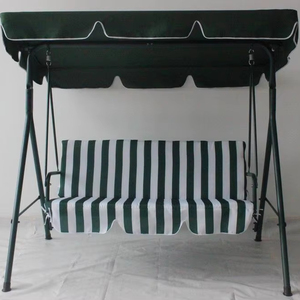
High Quality 3-Person Outdoor Metal Swing Chair Modern Design
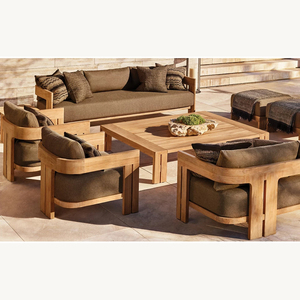
Luxury Teak Wood Outdoor Patio Frame Sectional Sofa Set
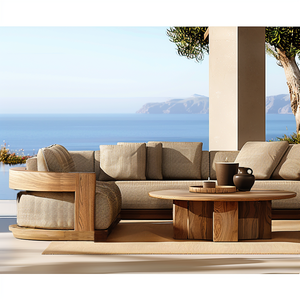
Outdoor Teak Sofa Set Garden Lounger Coffee Table Villa Set
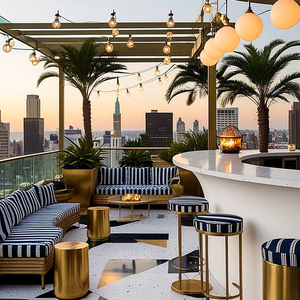
Luxury Hotel Restaurant Rope Woven Chair Wood Table Set
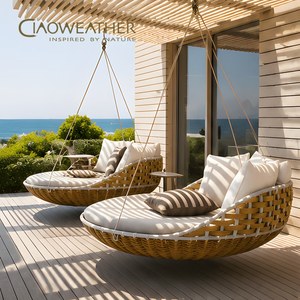
Modern Outdoor Garden Patio Lounge Sun Bed Villa Daybed
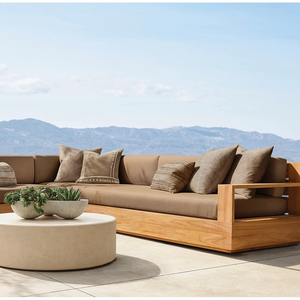
Wholesale Commercial Grade Teak Outdoor Garden Sofa System
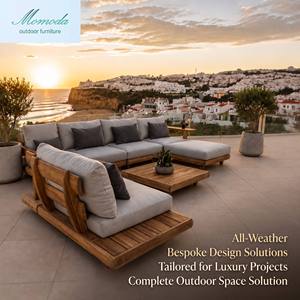
Solid Wood Frame Weather Resistant Padded Modular Sectional
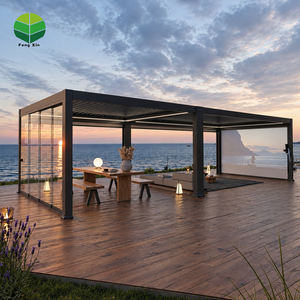
Waterproof Motorized Bioclimatic Louvered Aluminum Pergola
CE Certification Engineering Standards for Commercial Outdoor Benches
An authoritative technical analysis of structural safety, metallurgical parameters, and European standard compliance in contract furniture manufacturing.
In global commercial architecture, public realm planning, and luxury hospitality procurement, specifying outdoor furniture demands rigorous adherence to structural integrity, environmental resilience, and public safety mandates. Selecting verified CE Certified outdoor bench manufacturers ensures that infrastructure investments conform to stringent European Safety Directives—specifically EN 581-1:2017 (General Safety Requirements), EN 581-2:2015+AC:2016 (Mechanical Safety and Load Testing for Seating), and EN 581-3 (Mechanical Safety for Tables).
Commercial-grade public seating faces physical fatigue, dynamic loading cycles, temperature variations, and aggressive chemical exposure such as airborne coastal salinity and high UV radiation. Manufacturers operating certified production processes must integrate Finite Element Analysis (FEA) into structural prototyping to evaluate load distribution, yield stress points, and thermal expansion limits prior to assembly line mass production.
Critical Safety Benchmarks Under European Norm (EN 581) Testing
CE marking for commercial outdoor benches is not merely a label; it represents rigorous physical stress verification conducted by accredited third-party laboratories (such as TÜV Rheinland, SGS, or Intertek). The core evaluation metrics include:
- Static Load Testing: Benches must withstand sustained vertical seat loads exceeding 2000 N (approx. 204 kg) per seating position and backrest force tests exceeding 560 N without permanent structural deformation or joint failure.
- Impact and Fatigue Resistance: Dynamic drop tests simulate repetitive impact over 50,000 continuous cycles, verifying seat durability, structural weld integrity, and fastener retention under heavy traffic conditions.
- Stability & Shear Risk Prevention: Rigorous geometric parameters eliminate finger-entrapment zones, shear hazards, and tip-over vulnerabilities during asymmetric edge loading.
- Corrosion Resistance Standards (ISO 9227): Metallic components undergo neutral salt spray testing (NSS) for upwards of 1,000 hours to guarantee surface coating integrity in high-salinity marine microclimates.
| Material Category | Structural Specification | CE Standards Compliance | Primary Commercial Application |
|---|---|---|---|
| Grade-A Teak Wood | Tectona Grandis (Kiln-dried 8-12% moisture, high natural oil/resin content) | EN 581-1, EN 581-2, FSC-STD-40-004, REACH compliant finish | Luxury Resorts, Waterfront Promenades, High-End Dining Terraces |
| Marine-Grade Aluminium | 6061-T6 or 6063-T5 Structural Alloy (AkzoNobel architectural powder coating) | ISO 9227 Salt Spray Test, EN 581-1/2, Qualicoat Class 2 | Civic Parks, Urban Transit Hubs, Rooftop Commercial Lounge Decks |
| 316 Stainless Steel | Austenitic Stainless Steel (Electro-polished finish, high Molybdenum alloy) | EN 10088-3, Dynamic Fatigue Load Certified (EN 581 severe contract) | Coastal Public Plazas, Marine Environments, Ultra-Heavy Traffic Zones |
| All-Weather Poly-Rope/Wicker | High-Density Polyethylene (HDPE) / Solution-Dyed Acrylic Core (UV-stabilized 2000+ hrs) | ISO 4892-2 (Accelerated Weathering), OEKO-TEX Standard 100 | Hospitality Courtyards, Boutique Hotel Poolsides, Private Estates |
The Manufacturing Advantage: 23 Years of Artisanal Mastery & Engineering Precision
Combining Southeast Asian teak woodworking craftsmanship with modern metallic fabrication techniques.
Founded on a commitment to architecture-led design and engineering durability, our manufacturing infrastructure bridges traditional craftsmanship with industrial manufacturing automation. Spanning state-of-the-art facilities in Southeast Asia, our manufacturing processes are vertically integrated—from raw timber kiln drying to multi-axis CNC aluminum milling and automated powder coating application.
For contract buyers, urban planners, and procurement directors, partnering with a vertically integrated manufacturer provides complete oversight across material provenance, quality assurance, and project timeline execution:
- Sustainable Timber Sourcing: Every piece of teak is harvested from legally managed, sustainably cultivated government plantations (SVLK/FSC certified), ensuring zero deforestation impact while maintaining structural grain density.
- Advanced Surface Engineering: Metallic frame assemblies receive chemical pre-treatments followed by electrostatically applied thermo-setting architectural powder coatings, preventing micro-fissuring and color fading under severe UV radiation.
- BIM & Technical Support for Specifiers: We provide full Building Information Modeling (BIM Level 2 LOD 300) assets, CAD drawings, and complete physical material swatch kits for architectural project integration.
- Customization & Personalization Programs: Our engineering team collaborates directly with designers to adjust seat heights, module lengths, embedded power charging ports, and integrated planters for bespoke commercial requirements.
Key Pillar Solutions for Contract Sourcing
Comprehensive engineering capabilities tailored for high-volume B2B clients, architectural specifiers, and hotel chains.
Severe Climate Weatherproofing
Utilizing high-grade silicon bronze hardware, anti-hydrolysis foam cores, and Sunbrella/Agora solution-dyed acrylics engineered to resist mold, saltwater decay, and thermal cracking.
System-Based Modular Design
Modular outdoor bench configurations, sectional seating, and shade structures designed with unified architectural proportions to maintain space-wide aesthetic harmony.
CE & ISO Quality Control Protocol
Every batch undergoes standardized quality inspections, including dimensional accuracy checks, weld non-destructive testing (NDT), coating thickness verification, and load testing.
Future Procurement Dynamics & Industry Trends (2025–2030)
Market intelligence for commercial purchasers, project managers, and urban developers navigating evolving global supply chains.
1. The Shift Toward Environmental, Social, and Governance (ESG) Sourcing
Corporate specifiers and real estate developers are shifting purchasing criteria to prioritize verified sustainability credentials. Manufacturers must now provide full supply chain transparency, carbon footprint footprint disclosures, and circular economy lifecycles. Future-ready commercial outdoor benches incorporate easily separable materials—allowing timber, metal frames, and upholstery to be isolated and recycled independently at the end of their operational lifecycle.
2. Integration of Smart City & IoT Elements
Urban seating is evolving from passive infrastructure to interactive smart city nodes. Modern public benches increasingly integrate discrete photovoltaic solar cells, weatherproof USB/wireless inductive device charging modules, environmental sensors (monitoring air quality and temperature), and low-voltage LED accent illumination. Manufacturers capable of retrofitting CE-certified benches with modular IoT units gain a competitive advantage in municipal tenders.
3. Demand for Biophilic Engineering & Mixed Material Aesthetics
Architectural preferences have shifted away from single-material industrial benches toward hybrid biophilic designs. Combining organic, tactile materials (such as Grade-A Teak or thermally modified timber) with precision-milled aluminum or architectural concrete creates inviting public spaces. This biophilic connection reduces urban stress while maintaining structural resilience under high-footfall conditions.
4. Modular Flexibility & Adaptive Space Planning
Post-pandemic spatial design emphasizes flexible, reconfigurable layouts. Rigid ground-fixed benches are increasingly replaced by heavy-duty modular seating platforms that can be reconfigured for events, seasonal dining expansions, or public gatherings. This flexibility lowers lifetime capital expenditure for venue operators.
Frequently Asked Questions for Commercial Buyers & Specifiers
Detailed technical responses addressing common procurement, compliance, and custom manufacturing inquiries.
Initiate Your Commercial Procurement Consultation
Connect directly with our engineering and project management team to receive technical specification sheets, custom CAD shop drawings, and competitive trade pricing for your project scope.