Featured CE Certified Outdoor Furniture & Dining Systems
Engineered to strictly surpass EN 581-1 and EN 581-3 commercial structural standards. Each piece integrates high-tensile alloy frames, sustainable timber, and weatherproof textiles designed for demanding resort and urban project installations.
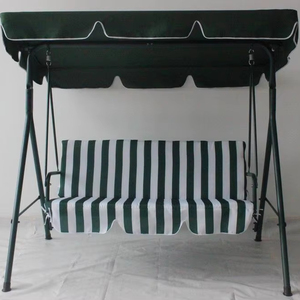
High Quality 3-Person Outdoor Metal Swing Chair with Steel Tube Modern Design
- Structure: Powder-Coated Steel Chassis
- Capacity: 3-Person Heavy Duty (350kg)
- Rating: Commercial Patio & Resort
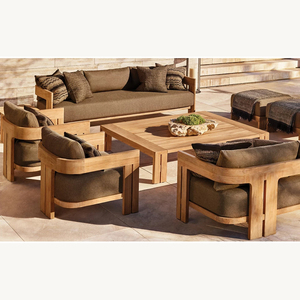
Luxury Teak Wood Outdoor Patio Furniture Frame Sectional Sofa Set
- Material: Grade-A Indonesian Teak
- Fabric: Solution-Dyed Acrylic
- Modularity: Customizable Grid
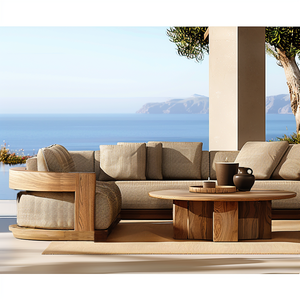
2024 Outdoor Teak Sofa Set Garden Furniture Lounger Table & Coffee Chair
- Material: Natural Myanmar/Indo Teak
- Foam: Quick-Dry Reticulated Core
- Application: Luxury Villa & Hotel
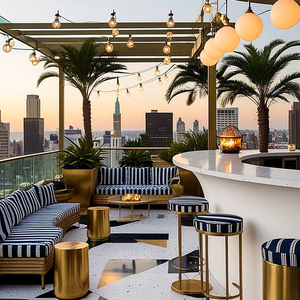
Luxury Hotel Restaurant Outdoor Furniture Rope Woven Chair & Wood Table
- Weave: Olefin Weatherproof Rope
- Tabletop: Solid Kiln-Dried Teak
- Use-Case: High-Traffic Commercial
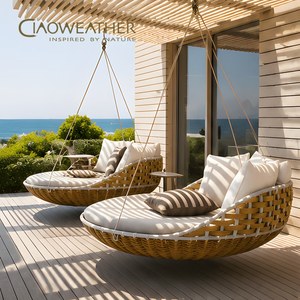
Modern Outdoor Garden Patio Lounge Sun Bed Villa Hotel Aluminum Rattan Swing
- Frame: T6 Marine Grade Aluminum
- Resin: UV-Stabilized HDPE Wicker
- Weathering: ISO 9022 Certified
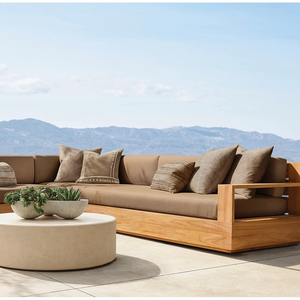
Wholesale Modular Garden Sofas Teak Outdoor Furniture System
- Sourcing: 100% SVLK Certified Wood
- Hardware: 316 Stainless Steel
- Bulk Procurement: Container-Load OEM
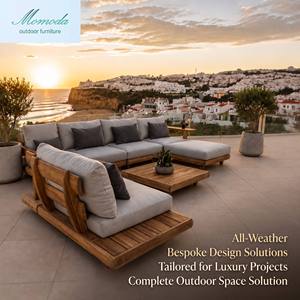
Designer Choice Solid Wood Frame Weather Resistant Modular Patio Sectional
- Frame: Heavy-Duty Solid Teak
- Cushions: High-Resilience Reticulated
- Design: Architectural Low-Profile
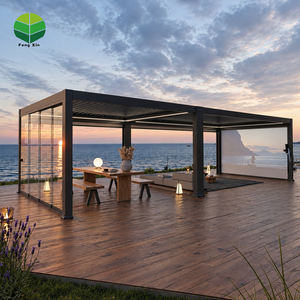
Waterproof Motorized Bioclimatic Pergola Adjustable Aluminum Louvered Roof
- Roof System: Motorized 0-120° Louvers
- Extrusion: 6061-T6 Structural Alloy
- Rating: 120 km/h Wind Resistance
Evaluating CE Certification Metrics for Commercial Dining Tables
In high-intensity contract procurement—spanning five-star hospitality developments, luxury resorts, and high-density commercial dining spaces—the specification of outdoor dining tables requires verification of structural integrity far beyond domestic aesthetic standards. European Conformity (CE) marking, combined with strict adherence to EN 581-1:2017 (General safety requirements) and EN 581-3:2017 (Mechanical safety and test methods for tables), represents the baseline metric for risk mitigation in commercial project tenders.
As a vertically integrated manufacturer, our manufacturing methodology integrates advanced finite element analysis (FEA) to calculate stress distributions under dynamic horizontal and vertical loading. Outdoor dining tables specified for commercial environments must withstand severe environmental variables, including high thermal fluctuations, prolonged salt-spray exposure (coastal microclimates), and heavy daily cleaning regimes utilizing industrial disinfectants.
Material Engineering & Mechanical Benchmark Matrix
| Material / Component Spec | Mechanical / Chemical Benchmark | Testing Protocol Standard | Commercial Performance Outcome |
|---|---|---|---|
| Grade-A Indonesian Teak (Tectona Grandis) | Kiln-dried moisture content 8%–12%; natural rubber/oil content > 4.8% | ISO 3130 / SVLK Certification | Zero warping, high natural rot resistance, structural stability in -20°C to +60°C climates. |
| T6 6061 Architectural Aluminum | Tensile strength ≥ 290 MPa; Yield strength ≥ 240 MPa | EN 755-2 / ASTM B221 | Ultra-lightweight structural rigid frame; zero oxidation under coastal humidity. |
| Qualicoat Class 2 Powder Coating | Coating thickness 60–80 microns; 2000hr Xenon-arc UV resilience | ISO 2810 / ASTM D2244 | Retention of color hue & gloss > 90% after 3 years intense desert/equatorial sun load. |
| 316 Marine-Grade Stainless Hardware | PREN (Pitting Resistance Equivalent Number) ≥ 25 | ASTM A240 / EN 10088-2 | Complete immunity to galvanic corrosion and atmospheric salt-fog breakdown. |
| Solution-Dyed Acrylic / Rope Weave | Lightfastness 7-8 Grade; Tensile breaking strength > 1800 N | ISO 105-B02 / EN ISO 13934-1 | Water-repellent, anti-fungal, zero fraying under continuous guest use. |
Future Procurement Trends in Commercial Outdoor Dining Systems
Analyzing macro shifts across international hospitality architecture, urban commercial real estate, and luxury residential developments.
1. Modular Ecosystem Integration & Flexible Layouts
Commercial venue operators are moving away from fixed-dimension dining sets toward hyper-configurable modular systems. Modern procurement specs demand dining tables that seamlessly interface with outdoor power/data ports, integrated planter screening, and retractable bioclimatic pergolas. Multi-functional spaces require lightweight yet robust frame structures that allow staff to transition layouts from breakfast buffets to evening banquet configurations with minimal labor.
2. Stringent ESG Mandates & Digital Product Passports (DPP)
By 2026, European and North American procurement contracts will universally require verifiable Environmental Product Declarations (EPD) and legally compliant timber chain-of-custody documentation (such as EUDR compliance and Indonesian SVLK certification). Leading developers prioritize manufacturers who document carbon footprints per unit, utilize 100% recycled alloy billets, and implement zero-VOC powder-coating lines.
3. Biophilic Design & Tactile Hybrid Materiality
Sterile, single-material aluminum tables are being replaced by hybrid materiality. Architectural trends combine warm, organic Grade-A teak surfaces with cold-extruded matte metal chassis and hand-woven tactile rope edges. This biophilic approach connects guests with natural elements while ensuring structural engineering meets high-durability commercial wear guidelines.
4. Climate-Adaptive Surface Technology
With global temperatures reaching historic highs, commercial buyers are specifying solar-reflective thermal powder coatings and nano-porous ceramic porcelain table surfaces. These advanced materials lower surface heat absorption by up to 35% under direct sunlight exposure, preventing thermal discomfort for dining guests in tropical and desert resort climates.
Engineering & Design Evolution in CE Outdoor Furniture
The development of next-generation CE certified dining tables and outdoor systems relies heavily on precision manufacturing engineering. The historical challenge of outdoor teak furniture—cracking at mortise-and-tenon joints due to humidity-induced expansion—has been solved through modern CAD/CAM automated machining and floating stainless steel tension rods.
Precision CNC Joinery
Computer-controlled 5-axis routers cut timber components to tolerances within 0.05mm. This micro-precision ensures stress-free expansion joints that prevent timber splitting during cross-climate ocean shipping.
Sub-Frame Reinforcement
Concealed structural aluminum extrusions are recessed directly under large teak dining tops (>240cm). This prevents sagging under heavy static loads while preserving the refined aesthetic of natural timber.
Sustainable Surface Sealing
Non-toxic, water-based hydrophobic coatings seal timber pores against oil spills, wine stains, and atmospheric pollutants without compromising the natural tactile finish of Grade-A teakwood.
23+ Years of Manufacturing Mastery & Global Direct Export
Rooted in over two decades of dedicated craftsmanship and industrial expansion, our operations bridge the raw artisanal heritage of Southeast Asian woodworking with European precision engineering. Operating state-of-the-art vertically integrated manufacturing facilities in Indonesia, we manage the entire production chain—from raw timber kiln drying to automated metal fabrication, hand-weaving, quality assurance, and international containerized logistics.
Why Global Specifiers & Procurement Agencies Partner With Us:
- Vertical Integration: In-house timber drying kilns, aluminum extrusion workshops, powder-coating lines, and textile stitching bays ensure 100% quality traceability across every production batch.
- BIM & CAD Specification Support: We supply architects and interior designers with production-ready 3D Revit/BIM files, detailed dimensional drawings, and material sample kits to streamline project specification.
- Rigorous CE & EN Testing Protocols: Every design iteration undergoes dynamic stress tests, salt-fog corrosion chambers, and drop-impact tests prior to mass production tooling.
- Global Hub Presence: Supported by international flagship showrooms and strategic trade offices in Dubai, Jakarta, Kuala Lumpur, and Riyadh, providing real-time local project coordination.
Frequently Asked Procurement Questions (FAQ)
Detailed technical answers to common questions from commercial buyers, architects, and procurement officers.
Initiate Your Commercial Procurement Tender
Connect directly with our engineering and trade management team to request official CE compliance test documentation, CAD/BIM model packages, and competitive container-load B2B quotations.